
AI-generated fraud schemes are rising across industries, and real estate is no exception. In 2025, real estate cyber fraud losses surpassed $275.1 million, up from roughly $174 million the year prior, according to the FBI’s 2025 Internet Crime Report, published by its Internet Crime Complaint Center (IC3).
AI is an emerging and fast-growing contributor to these schemes, though the FBI’s data does not attribute the full real estate increase to AI specifically: the report flagged only a small share of 2025 real estate fraud complaints as having a direct AI connection. Looked at across all reported crime types, the same report found that U.S. businesses and individuals lost more than $893 million to fraud schemes flagged with an AI connection in 2025.
Savvy cybercriminals are using the technology to make long-running scams, such as business email compromise, harder to detect. In real estate, that can mean AI-generated emails convincing enough to pass as a legitimate lender or title company, fabricated documents used to facilitate the transfer of property to criminals, or cloned voices used to authorize a wire transfer.
Deepfakes (AI-generated audio, video, or images used to mimic a real person) are especially convincing. According to industry research on AI voice-cloning, just a 30-second clip of a real estate manager’s voice can be enough for a scammer to generate a spoofed audio recording that sounds unmistakably real, and some newer tools claim to need only a few seconds of audio. An escrow officer managing a wire transfer may then receive a call with new payment instructions from what appears to be their boss and proceed to send funds straight to a criminal’s account.
Too often, falling victim to a scheme like this comes back to a single missed verification step. Spotting AI-generated scams before they result in a loss requires real estate owners and investors to rethink how they verify the people and documents involved in every transaction.
Protecting Your Operation From AI-Generated Fraud
While sophisticated, AI-generated fraud isn’t unbeatable. The following steps can help your real estate business recognize fraud attempts before funds or property ever change hands.
1. Build a culture of caution. Education is the first line of defense against any kind of fraud. Anyone handling escrow, legal documents, or third-party transactions should be trained to treat all remote communications with healthy skepticism, no matter how legitimate a video, voice, or document appears. Employees should feel empowered to slow down or question a transaction without fear of pushback, even if a concern turns out to be a false alarm.
2. Always verify. Never authorize a wire transfer or change banking information based solely on a request made via a video call, voice message, or email. Wherever possible, real estate investors should meet potential partners in person, or at minimum, confirm any change in instructions through a separate, trusted channel.
3. Know the red flags. In many cases, there are telltale signs of a fraud attempt early in a transaction or partnership. A seller who refuses to meet in person or verify their identity is a red flag. So is someone who seems unfamiliar with basic details about the property they’re selling, or who pushes to close a deal unusually fast.
4. Fight AI with AI. While AI is fueling scams, it can also help catch them. AI-powered monitoring tools can flag suspicious communication patterns, and algorithms designed to detect fraudulent documents are becoming more widely available.
5. Treat cyber insurance as a safeguard and prevention tool. A strong cyber policy does more than pay out after a loss. Many insurers actively monitor risk and help policyholders reduce their exposure before fraud occurs, making cyber insurance as much a prevention tool as a financial backstop.
Real Estate Remains a Prime Target: Don’t Fall Prey
Real estate has long been a highly targeted industry for fraud due to the nature of its large and complex transactions, and the rise of AI only makes it more of a risk.
However, the fundamentals of risk management and prevention haven’t changed. By building strong verification habits and working with a broker who understands these evolving threats, owners and investors can empower their teams to spot fraud before it hurts their business, no matter how realistic the attempt looks.
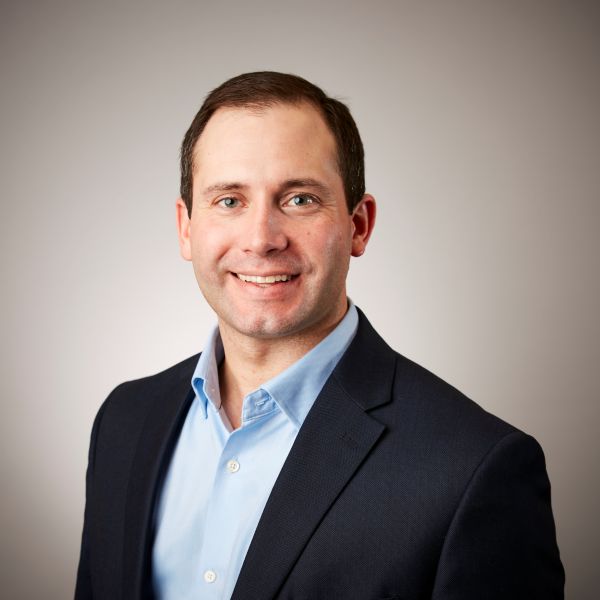
Austin R. Smith is a Senior Vice President in Commercial Risk at international insurance brokerage Hub International Michigan. He is focused on delivering creative solutions that drive results and reduce risk.