Cap rates in the net-lease casual dining sector continued to fall during the first quarter of the year, according to the latest research from Wilmette, Illinois-based The Boulder Group.
According to the company’s report, cap rates in this sector fell to 6.03% in the first three months of 2022. That’s a decrease of 70 basis points when compared to the same quarter a year earlier.
Why have cap rates in the casual dining space fallen? The Boulder Group points to better market conditions for the restaurant sector in general as consumers have returned to in-person dining following the COVID-19 slowdown.
The Boulder Group reported that casual dining sales rose more than 30% in 2021 when compared to 2020. That doesn’t mean that this sector doesn’t face challenges. The Boulder Group also said that only 30% of the brands in the casual dining space exceeded their 2019 store sales last year.
“Cap rate compression in the casual dining space was primarily attributed to better overall market conditions for the restaurant sector post-pandemic,” said Randy Blankstein, president of The Boulder Group, in a press release. “Investor interest and transaction velocity increased due to recovery for casual dining restaurants following the pandemic.”
Not all fast casual restaurants have seen as quick of a recovery, though. The Boulder Group reported that corporate brands such as Olive Garden and Texas Roadhouse are performing especially well today. Both brands have announced major expansion plans.
During the earliest days of the pandemic, investors worried that a drop in in-person dining would devastate in-store sales in the casual dining space. These worries caused cap rates to incerase. So far this year, though, the net lease casual dining segment has returned to some form of normalcy. Evidence of this trend? In the first quarter of this year, the discount associated with net lease casual dining properties compressed to 28 basis points, down from 82 a year earlier.
Investors seeking net lease casual dining investments are most interested in higher-quality properties with strong tenants.
“During the height of the pandemic, investors feared that diminished in-person dining would greatly impact store sales,” said Jimmy Goodman, partner with the Boulder Group, in a press release. “The recovery experienced by the restaurant sector has brought net lease investors back to this category.”
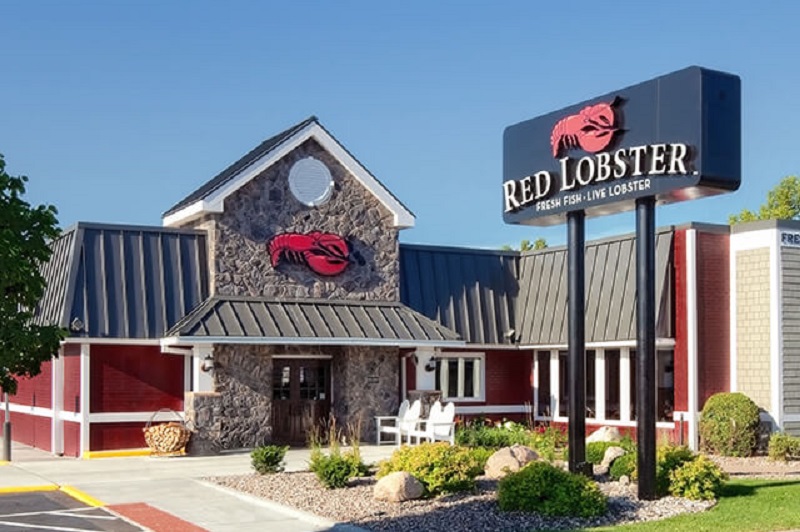
Several casual dining restaurants have seen cap rates fall this quarter. Buffalo Wild Wings saw its cap rate drop from 6.15% in the first quarter of 2021 to 6% during the first three months of this year. Chili’s saw a drop of 38 basis points, with its cap rate falling from 5.75% in the first quarter last year to 5.38% during the first quarter of 2022. And Red Lobster’s cap rate plummetted 45 basis points to 6% during the first quarter of this year from 6.45% a year earlier.
Again, though, it’s not accurate to say that the net lease properties in this sector have recovered completely from the pandemic. As The Boulder Group’s report shows, the median asking price for franchisee-leased properties in this sector dropped 72 points this quarter when compared to the same period a year earlier.
The median asking price for net lease casual dining properties stood at $3.441 million in the United States during the first quarter of the year. Some brands, though, saw their median asking prices end the quarter above this number, including Outback Steakhouse ($3.75 million) and Red Lobster ($4.25 million).