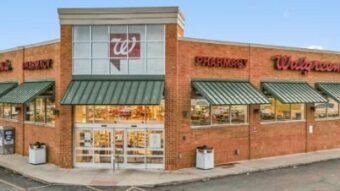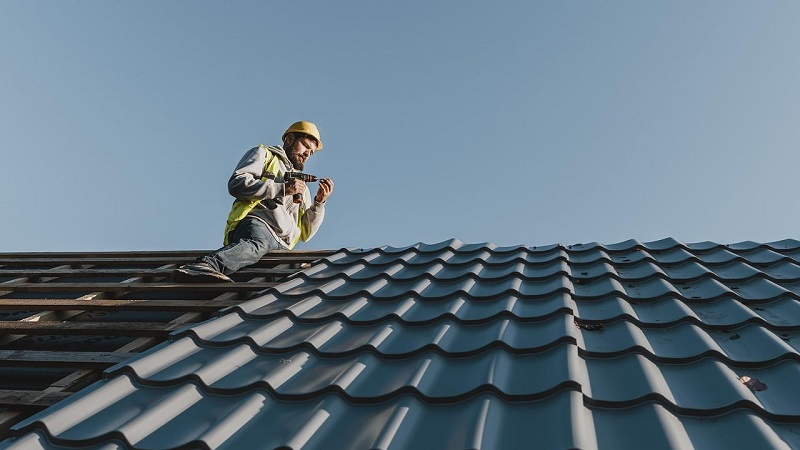
One of the most indispensable, yet often overlooked elements of commercial real estate construction is the building envelope. Building envelopes stand as silent guardians, protecting investments, ensuring occupant comfort and enhancing energy efficiency. By recognizing their significance and investing in their optimization, developers and builders can create properties that not only withstand the test of time, but also contribute to a more sustainable and resilient built environment.
Comprising walls, windows, roofs and foundations, the building envelope is more than just a physical barrier. It serves as the primary defense against external elements, a regulator of indoor environments and a determinant of energy efficiency. Understanding the significance of building envelopes is crucial for developers and builders aiming to create sustainable, comfortable, and structurally sound commercial properties.
At its core, the building envelope acts as a shield, protecting occupants from the vagaries of weather. Rain, snow, wind and temperature fluctuations are kept at bay, ensuring a comfortable indoor environment regardless of external conditions. But its significance extends beyond mere protection; it’s also a cornerstone of energy efficiency. With envelope technologies accounting for approximately 30 percent of the primary energy consumed in residential and commercial buildings, optimizing these structures becomes paramount in reducing energy consumption and operational costs.
One of the primary functions of the building envelope is to maintain structural integrity. Walls, roofs and foundations form a cohesive system that not only shelters occupants but also supports the entire structure. By withstanding external forces and distributing loads effectively, the envelope ensures stability and longevity, safeguarding investments for years to come.
Moisture intrusion poses a significant threat to buildings, causing deterioration, mold growth and compromising indoor air quality. The building envelope serves as a fortress against moisture, employing various strategies such as barrier systems, drainage mechanisms and diversion systems to keep water out and maintain a dry interior environment.
Controlling air infiltration is essential for both energy efficiency and indoor comfort. The building envelope regulates the movement of air, minimizing drafts, reducing heat loss or gain and preventing moisture buildup. Through proper specification and installation of air barriers, insulations and sealants, builders can create airtight envelopes that enhance energy performance and occupant well-being.
Few regions present as unique challenges and opportunities as the state of Texas. From the blistering heat of its summers to the occasional icy chill of its winters, the Texas climate is characterized by extremes that demand careful consideration when designing and constructing building envelopes.
Texas summers are notorious for their scorching temperatures, often surpassing 100 degrees Fahrenheit. In such conditions, the importance of an effective building envelope cannot be overstated. Proper insulation, air sealing and solar control measures are essential to keeping indoor spaces cool and comfortable while minimizing reliance on mechanical cooling systems. Additionally, selecting materials with high thermal resistance helps prevent heat transfer, reducing energy consumption and utility costs.
Conversely, Texas winters, although generally milder compared to northern states, can still bring periods of cold and inclement weather. A well-designed building envelope acts as a barrier against chilly drafts and moisture infiltration, maintaining interior warmth and protecting against structural damage caused by freezing temperatures. By incorporating robust thermal barriers and moisture control measures, builders can ensure year-round comfort and resilience in the face of fluctuating weather patterns.
In commercial real estate, where every detail counts, understanding the components of a building envelope is crucial. Cladding, control layers, insulation and structural framing work together to create a robust barrier that shields against external elements and maintains optimal indoor conditions. By carefully selecting materials, considering climate factors and adhering to best practices in design and construction, developers can create buildings that are not only aesthetically pleasing but also efficient, durable and resilient.