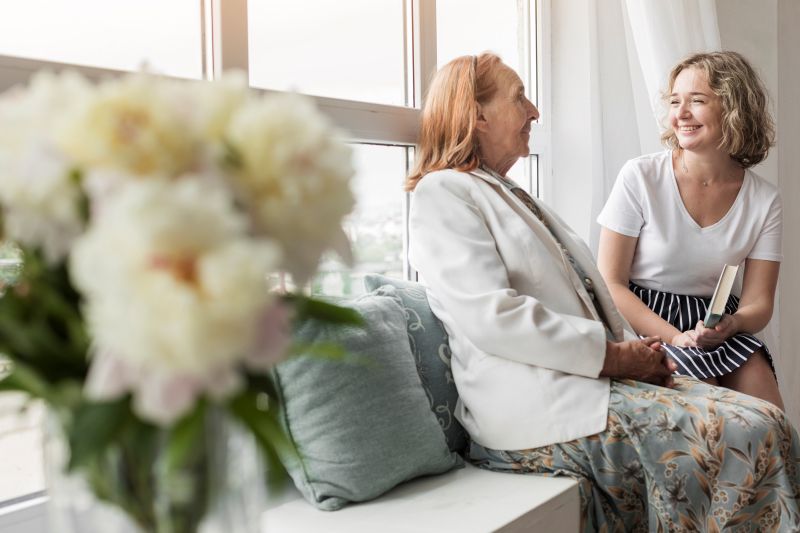
The month of May marked the annual observance of Older Americans Month, highlighting, among other things, the changing trends in aging. The senior living sector of CRE is one of the industries most impacted by these trends, which has been heavily influenced by not only changing attitudes toward aging and long-term care, but also by the significant demand brought about by the growing 75+ population.
For these reasons, developers and investors alike have increased interest in senior living, and the sector is well-positioned for success given demand will outpace supply for the foreseeable future. That said, there is a clear difference in the performance of older facilities that haven’t been developed to today’s standards and the modern properties designed for this generation of older Americans who have their own idea of what it means to age. The following design and development trends are five examples of the types of facilities and features that are in demand today.

Johnny Dagher, director of senior living, Baker Barrios.
Hospitality Influence
Senior living communities have been significantly influenced by the hospitality industry, as Boomers seek properties that focus on lifestyle. Gone are the institutional spaces of the past, replaced with designs more reflective of a high-end hotel or multifamily property. Hospital-grade materials are replaced with equally hygienic but more attractive options like granite and antimicrobial upholstery, while oversized windows and wider hallways offer a more residential feeling. Even the amenities can impart a hotel-like experience with swimming pools, a salon or spa, and club-style dining options.
Wellness
Across the real estate industry, wellness is a prolific trend, and senior living is no exception. Features and amenities that promote mental and physical wellbeing and overall quality of life are in high demand. Biophilic design elements that harness the positive effects of nature and daylight to improve mood and cognitive function, as well as outdoor walking paths and sitting areas for even greater connection to the outdoors, are very popular, as are health club-style amenities that focus on physical wellness. Amenities that foster a sense of connection which is shown to have a beneficial impact on one’s quality of life are also very popular. These include lounges and libraries, “pub” rooms and even maker spaces, which not only appeal to senior living residents but also to their visiting children and grandchildren.
Adaptive Reuse
Because of the cost and availability of land, adaptive reuse of existing buildings into senior living facilities is a trend that will continue to grow. This approach offers numerous benefits ranging from reduced construction costs to securing more desirable infill locations. Numerous building types lend themselves to adaptive reuse for senior living, such as hotels, schools, offices and certain historic properties, which are especially popular due to the unique architectural details often found in such buildings. Partnering with a knowledgeable senior living architect from the start is key to a successful adaptive reuse, though, because of the specialized nature of the building codes and requirement for such facilities. Not every property will have the ‘bones” to make it a good fit.
Hybrid Design
One of the challenges in designing and developing senior housing is meeting the ever-evolving needs of the market. One solution Baker Barrios has presented to our clients is the concept of hybrid design. This means creating a community targeting the current demand for independent living, but built with a future-focused perspective to more easily update the facility for assisted living as the market shifts. This means incorporating the building standards and codes that would be required of an assisted living facility from the start, rather than attempting to retrofit or modify later. The architectural plans can also include a ready-made path for a future addition to expand a community from independent living to a CCRC.
Integrated Technology
Not only is the current generation of older Americans the most tech-savvy 65+ demographic in history, tech advances are also changing the way they receive care. As a result, today’s senior living communities have a level of integrated technology not seen in older properties.
Technology provides security for the facility and its residents, allows for more efficient communication among care providers, can save money on utilities with Smart lighting and thermostats, and even anticipate resident needs through predictive behavior analysis through AI. Buildings must be designed to support this state-of-the-art technology with the appropriate built-in elements and high-speed Wifi.
The U.S. population age 80 and above is projected to grow by 35.5 percent over the next decade, according to Census data — from 14 million to 19 million. This emphasizes the long-term demand for senior housing. And as the sector continues to flourish, more developers are entering the space and more investors consider the assets a smart addition to portfolios, so staying abreast of the ever-changing trends in the industry is more important than ever.
Johnny Dagher is principal and director of senior living for architecture firm Baker Barrios.