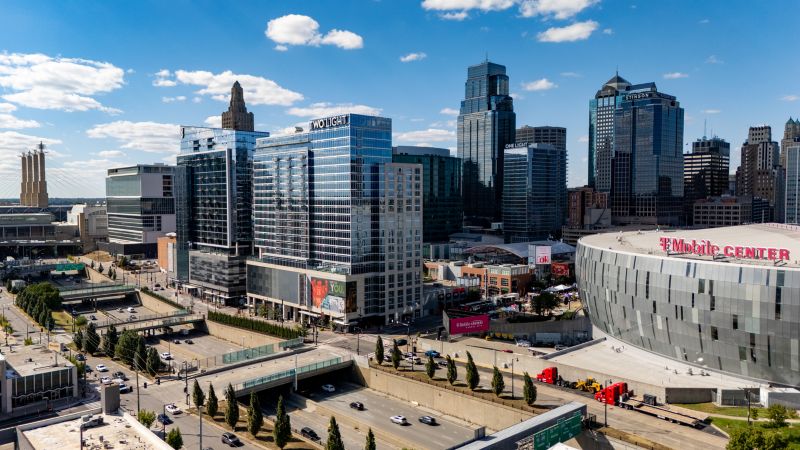
Leasing activity remains solid. Demand for new commercial construction is expected to rise. And, yes, the brokers and developers working in the Kansas City, Missouri, market are optimistic as a new year arrives.
We spoke to Newmark Zimmer’s John Hassler about the state of the Kansas City commercial real estate market, what he expects to see in 2026 and what’s behind the resilience in most commercial sectors here.
Here is what he had to say.
John Hassler
Executive managing director
Newmark Zimmer
Are you still seeing a strong demand for new commercial real estate development in the Kansas City market? Why or why not?
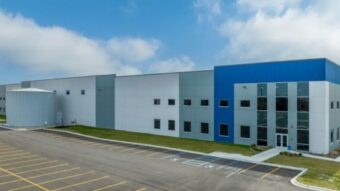
John Hassler: On the industrial side, the market sits at a very low 4.9% vacancy rate and Kansas City has posted continued rent growth and positive net absorption figures at a time when many other markets around the country have backed up. Demand is consistent from a broad base of users and the primary item that will limit ongoing deal flow is the lack of speculative building construction currently taking place.
Are there any projects currently in development in the Kansas City market that you are most excited about?
Hassler: Kansas City’s industrial market is dynamic and there have been recent successes in all parts of the metro, although many projects of late have been build-to-suit. Many of the parks that were built over the last 10 years continue to serve a broad base of users and drive growth. Specifically, the 15-million-square-foot Logistics Park Kansas City remains an anchor to the area’s industrial footprint, providing occupancy to a Hassler list of corporate-level tenants that can utilize a cost-efficient drayage model of being adjacent to one of BNSF’s largest U.S. intermodals.
Kansas City has long had a reputation as a being a consistent, conservative CRE market. How has that helped the local CRE market through challenging economic times?
Hassler: The Kansas City industrial market is the 15th largest in the U.S. and home to many of the country’s most active developers but even with that great growth and significant local talent, the regional development pipeline has always been quick to adjust to market conditions and keep inventory in check. That conservatism has allowed Kansas City to post exceptionally strong occupancy rates and rent-growth metrics during broader slowdowns as compared to many of the Tier-1 markets that became overbuilt.
Which commercial sectors are performing especially well today in the Kansas City market? What are the reasons for this strong performance? Kansas City’s industrial market has seen continued expansion serving a variety of industries and is supported by a broad base of institutional capital sources, which has both compressed cap rates and provided liquidity to the market.
What draws companies to the Kansas City market? Why are so many companies opening headquarters or satellite locations in this market?
Hassler: For industrial, users locate here due to the most centralized location in the U.S., the significant north-south and east-west rail infrastructure, industrially friendly communities, competitive tax abatements, moderate cost of labor, moderate cost of occupancy and sites that are available to be put into production.
I know it’s difficult to predict, but are there any trends you expect to see as far as commercial real estate leasing and building activity in the coming months?
Hassler: We expect the huge rush of data center demand to continue, but widespread, ongoing growth may be slowed given the finite amount of power that is available to serve those sites. Logistics and industrial real estate demand will continue its steady pace into 2026, but the limited supply of readily available buildings will spur a new wave of development so Hassler as rental rates keep pace and the cost of borrowing continues to lower.