
There’s no sugarcoating it: The Chicago industrial market, despite its sound fundamentals, is facing more challenges today. And those challenges are largely stemming from higher interest rates that have choked off the stream of investment sales in this sector.
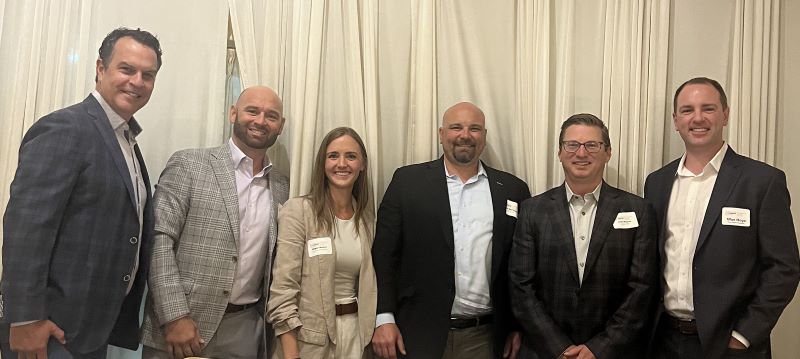
A large crowd of industrial professionals filled The Carlisle in Lombard, Illinois, on June 20 for the 21st version of the Chicagoland Mid-Year Industrial Summit held by Chicago Industrial Properties.
These attendees were realistic: The days of booming industrial sales activity are over for now. Sales activity has plummeted since the COVID-fueled heydays of 2021 and 2022.
But attendees and panelists also agreed that the fundamentals of Chicago’s industrial sector remain strong. Companies still need warehouse, distribution and manufacturing space. And Chicago remains a go-to market for these companies.
After all, consumers want their products delivered to their doors in record time. Chicago’s location in the center of the country; its proximity to two major international airports; its strong network of highways and rail; and the strength of its labor force all combine to make Chicago an attractive destination for end users seeking industrial space.
There is hope, too, that with interest-rate stability — the Fed is apparently done increasing its benchmark interest rate — sellers and buyers will once again be able to agree on sales terms. This could provide a boost to the lagging number of investment sales in the industrial sector.
For now, though? The Chicago industrial market remains in a bit of a holding pattern: Sales prices for industrial assets remain high. Tenants are still interested in leasing space. But everyone is still waiting for buyers and sellers to become active again.