Detroit’s industrial market is showing signs of strain in the short term, but the region’s long-standing manufacturing foundation and a wave of major corporate investment projects are helping fuel optimism for its future, according to the latest research from Marcus & Millichap.
According to Marcus & Millichap’s Detroit Industrial Investment Midyear 2026 Outlook report, the Detroit-area industrial market is balancing elevated vacancies and softer pricing pressures against strong tenant demand in key submarkets and a growing pipeline of advanced manufacturing investment.
Detroit’s industrial sector continues to grapple with disruptions tied to large-scale restructuring in the auto industry, increased foreign competition and facility closures. These factors are pushing vacancy rates upward, with Marcus & Millichap forecasting vacancy to reach 5.3% by the end of this year before easing slightly in 2026.
Even with those challenges, Gordon Navarre, managing director and market leader for Marcus & Millichap, said the market continues to display durability.
“Detroit’s industrial sector continues to demonstrate resilience as user demand and long-term manufacturing investment support pricing stability despite elevated vacancy pressures,” Navarre said in the report.
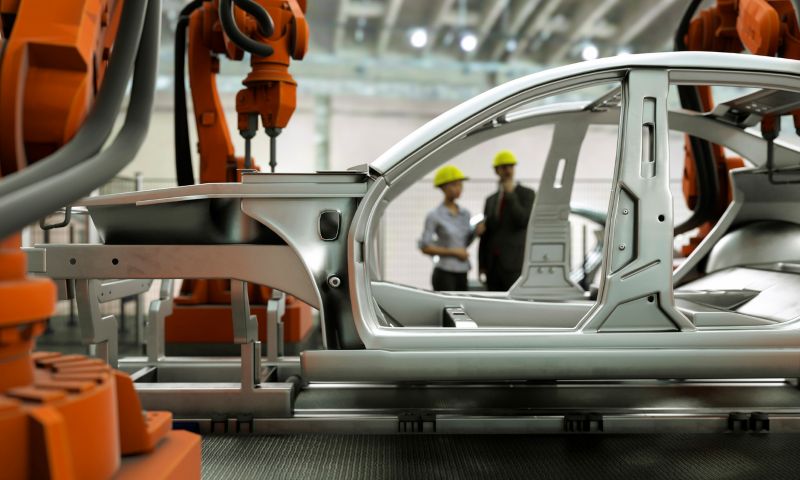
Detroit’s industrial fortunes have always been closely tied to manufacturing, particularly automotive production. While the sector has experienced its share of turbulence, significant investment announcements from major manufacturers are providing a boost to confidence.
Marcus & Millichap pointed to several high-profile projects expected to strengthen long-term market fundamentals. These include Stellantis’ planned battery megahub expansion, General Motors’ announced multibillion-dollar investment in U.S. manufacturing and Ford Motor Company’s continued expansion of battery production operations in Dearborn.
These projects suggest that while portions of traditional manufacturing continue to evolve, investment in advanced manufacturing and battery production is creating new opportunities.
The report also highlighted one particular section of the market that continues to outperform: the Interstate-96 Corridor.
Tenant demand in that corridor, which serves as an important warehouse and manufacturing hub, has more than doubled activity levels seen in the broader Detroit market, according to Marcus & Millichap. Investor interest has also increased significantly in the area, with acquisitions concentrated in Troy and around Detroit Metropolitan Airport.
The strength of this corridor may provide an indication of where investors see future growth opportunities.
Another factor that could help stabilize the market is a dramatic slowdown in new construction activity.
Marcus & Millichap projects industrial inventory growth of just 0.2% in 2026, which would represent the lowest level of industrial construction in the Detroit area since 2014. Oakland County is expected to account for much of the new supply that does reach the market.
That slower construction pace could help balance supply and demand, particularly as vacancies begin to stabilize.
Still, the near-term outlook is not without headwinds. Marcus & Millichap forecasts average asking industrial rents to decline by 2.4% in 2026. That would mark the first annual rent decrease in more than a decade.
Even with that projected decline, however, Detroit is expected to maintain one of the highest industrial rent averages in the Midwest, at roughly $7.40 per square foot.
Navarre said the combination of restrained development and investment in advanced manufacturing projects could provide the market with a foundation for recovery.
“Limited new construction and continued institutional investment tied to advanced manufacturing projects should help position Detroit’s industrial market for longer-term stability and recovery,” he said.