Branson, Missouri, is famous for its live entertainment and steady stream of tourists. It’s home to stage shows, wax museums and miniature golf courses. But it also faces the same problem challenging many cities across the Midwest: Its supply of affordable, workforce housing isn’t nearly strong enough to meet the demand for it.
And this is a significant problem: The people who keep the local economy running in Branson need quality, affordable places to live.
A new apartment community in the heart of Branson’s Theater District can help.
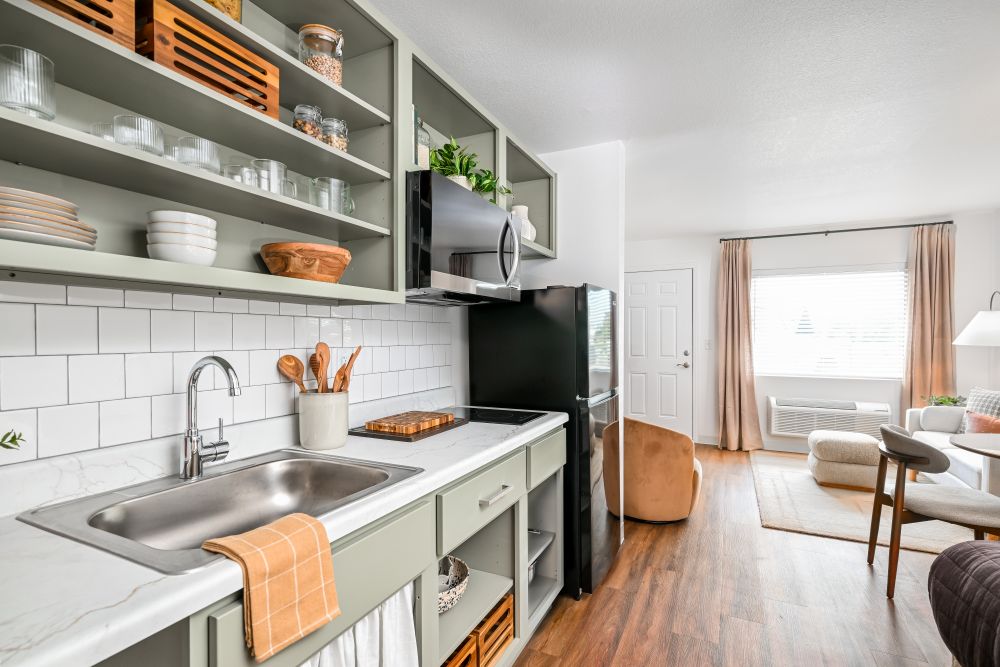
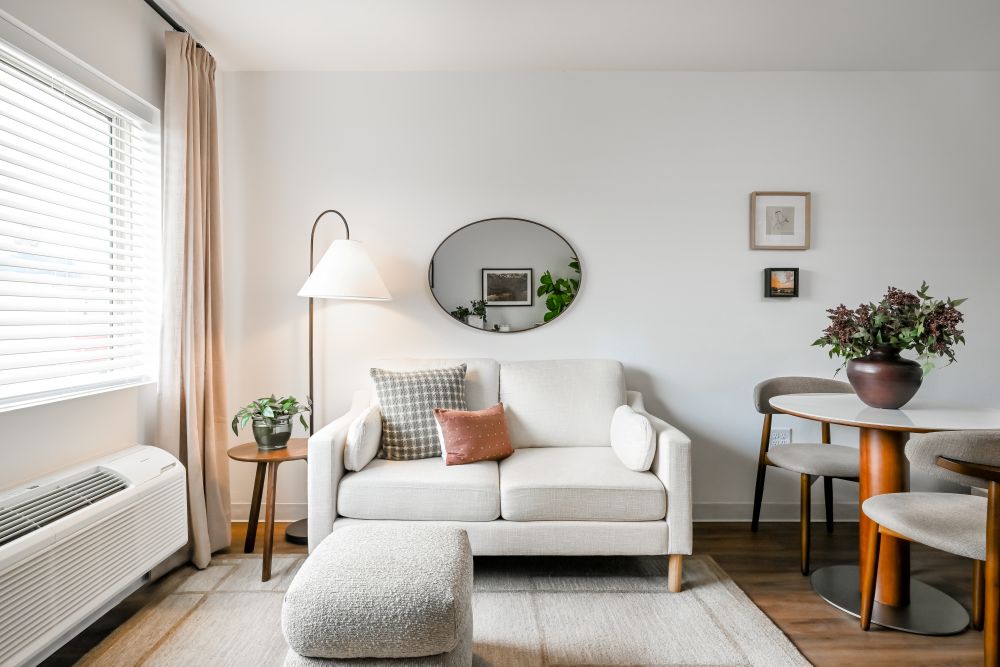
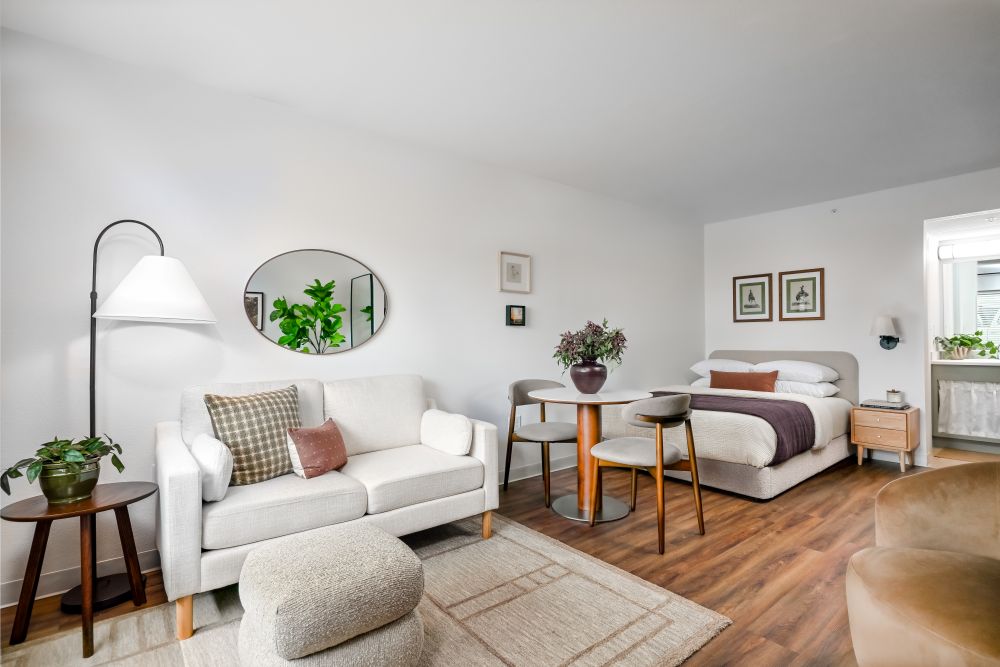
Phoenix, Arizona-based developer Drever Partners has begun pre-leasing at its newly created Live Oak Apartments. Drever Partners converted the former Hall of Fame Motel at 3011 W. 76 County Blvd. into this 142-unit residential community. The property offers studios, larger townhome-style studios and one-bedroom apartments.
Importantly, the project is designed to serve Branson’s local workforce, including hospitality workers, healthcare professionals, educators, first responders and retail employees.
“Branson’s economy is built by the people who show up every day to serve our visitors, businesses, and community, and they deserve quality housing options close to where they work,” said Lisa Hicks, regional property manager of Key Management, in a written statement.
Key Management is handling professional management of Live Oak Apartments.
Studios of about 300 square feet start at approximately $710 a month. Townhome-style studios measuring about 520 square feet start at approximately $890, while 520-square-foot one-bedroom apartments start at about $990.
Those rents include electricity, water, trash service and internet. The bundled approach is intended to give residents one predictable monthly payment while eliminating the need to establish and manage multiple utility accounts.
“Access to housing plays an important role in the long-term strength of any community,” said Ryan Wall of Drever Partners’ acquisitions and asset management team, in a statement. “Live Oak Apartments represents our commitment to identifying opportunities where thoughtful investment can revitalize existing properties, expand housing options, and support growing communities like Branson for years to come.”
Midwest Real Estate News spoke with Galen Drever, managing director with Drever Partners, about the impact that Live Oak Apartments can have on the Branson market and the ever-growing need for workforce housing.
How big is the need for new multifamily space in the Branson area? And specifically, how big is the need for workforce housing and not just luxury multifamily?
Galen Drever: Branson’s economy runs on its workforce, from hospitality staff and healthcare workers to educators, first responders and retail employees. For years, the housing supply hasn’t kept pace with that demand. Most of what gets built in resort markets targets the top of the market, which leaves the people who keep the town running with very few quality, attainable options close to where they work.
That’s the gap Live Oak is built for: 142 studio and one-bedroom homes priced for the local workforce, not a luxury tier. The need is real and it’s persistent, because Branson keeps growing as a tourism and entertainment destination while attainable housing stays scarce.
What made the former Hall of Fame Motel a good candidate for an adaptive reuse?
Drever: Location and bones. The property sits at 3011 W. 76 Country Blvd., right in the heart of Branson’s Theater District, just minutes from the largest employers, plus restaurants, shopping and entertainment along the Strip. A hotel is already configured for residential-style living, with the structure, corridors, and unit footprints largely in place, so we could expand Branson’s housing inventory far faster and with less waste than ground-up construction. When a well-located building can be brought back into productive use for the community, that’s exactly the kind of overlooked real estate we look for.
What were some of the more noteworthy challenges in transforming the hotel into functional multifamily units? I know that it can be difficult at times to transform older properties into modern multifamily buildings.
Drever: The core challenge in any hotel conversion is turning rooms designed for a few nights’ stay into homes people live in full-time. That means adding real kitchens, upgrading plumbing and electrical to residential loads, and reworking layouts so a studio or townhome-style unit actually functions day to day.
We’re also delivering Live Oak in phases across multiple buildings, which means managing active construction while pre-leasing and welcoming the first residents at the same time. Sequencing that well, so early residents have a good experience while later phases finish, takes real coordination with our construction and property management teams.
What are some of the amenities and features that set Live Oak Apartments apart from its competitors?
Drever: The biggest differentiator is simplicity and value. Rent includes electricity, water, trash and Internet, so residents make one predictable monthly payment instead of juggling separate utility bills, a real advantage for a working household budgeting month to month.
Beyond that, Live Oak offers multiple floor plans (studios, larger townhome-style studios, and one-bedrooms), move-in-ready apartments, online leasing, responsive onsite management, laundry facilities and outdoor community spaces, all professionally managed by Key Management. And it’s the location, walkable to work and everyday services in the Theater District, combined with attainable pricing.
Do you think we’ll see the number of conversions — whether from former hotels or office properties — to multifamily buildings continue to increase over the next several years? Why or why not? And what are the most important factors in determining whether a building is a good fit for conversion?
Drever: Yes, I think we’ll see conversions continue to grow. The housing shortage isn’t easing, construction costs and timelines make a lot of ground-up development hard to pencil, and there’s a large stock of underused hotel and office buildings sitting in good locations. Adaptive reuse lets you add housing faster and often more affordably, which is exactly what many markets need.
As for fit, the most important factors are location, the building’s existing structure and floor plate, whether the layouts can realistically become livable units, the condition of the core systems and whether the numbers support delivering the housing at a price point the local market needs. When those line up, conversion can be one of the smartest ways to bring a property, and a neighborhood, back to life.