Are shoppers yearning for the physical store experience once again? The latest research from JLL suggests that a growing number of consumers view brick-and-mortar stores as a healthy break from online shopping.
According to JLL’s new report, Resetting the Retail (Algo)Rhythm, shoppers are turning to brick-and-mortar shops as an antidote to digital exhaustion.
This means that physical shops can’t just mirror online shopping. They must offer experiences that shoppers can’t get by simply clicking on an Amazon link.
According to JLL’s report, 83% of consumers enjoy finding products in stores they never would have searched for digitally, while 53% of both Millennial and Gen Z consumers say that they prefer browsing physical stores without algorithmic influence.
Physical retailers need to be careful, though, not to turn off their customers. According to JLL’s report, 72% of shoppers reported leaving a store early because it felt overwhelming, whether that meant that the store’s shelves were too cluttered, the noise levels too high or in-store screens were flashing too many messages.
The survey found that atmosphere matters when it comes to brick-and-mortar shopping. A total of 60% of shoppers surveyed said that a store’s atmosphere influences whether they would recommend it to others, even when they didn’t make a purchase.
We recently spoke with Emily Albright Miller, Executive Vice President of Strategy at JLL Design, about the brokerage’s latest retail findings and what they mean for both online and brick-and-mortar shopping. Here is some of what she had to say.
I know this is a big topic, but why are consumers returning to physical retail?
Emily Albright Miller: It’s important to ground ourselves. More than 80% of retail sales are happening in brick-and-mortar locations. The shoppers never really left physical stores. They are gravitating toward the experiences that brick-and-mortar retail can provide. They want something very different than what they can get with ecommerce and digital retail.
What we found in our report was that consumers are tired of the algorithm. When retailers first started offering ecommerce solutions, there were so many options at consumers’ fingertips. The whole model of Amazon was that it offered an infinite number of choices. It eventually became overwhelming for consumers to navigate.
Consumers had to spend so much time filtering, sorting and browsing through this endless list of items. That is where AI came in. You can now have AI do the sorting for you. A huge percentage of consumers start their online shopping journey with a large language model. That makes online shopping less overwhelming. But it also narrows what consumers are allowed to see online. Consumers feel like the algorithm is limiting what they can see and purchase online. That doesn’t happen when you shop in a physical store. By shopping in brick-and-mortar locations, you get the opportunity to discover new and different items. Shoppers like that.
Just look at high school kids. They want to experiment. They might want to be emo one day and preppy the next. The online algorithm won’t let you do that when you are shopping digitally.
JLL’s report also mentions digital exhaustion with social media and other online sites. How is physical shopping an antidote to that?
Miller: Consumers are overstimulated. We live in a world where we are all overstimulated. So much is constantly flung at us. We are all seeing so much content day to day. Shopers are gravitating toward brick-and-mortar experiences partly because they allow them to be calmer in their retail journey. They provide an escape from this overstimulation.
There is a balance, though, right? Most people will turn to both online and physical shopping?
Miller: Yes, depending on your trip mission and your mindset there is always going to be value to an ecommerce experience. Shopping online is a highly convenient and efficient experience.
But there are times when shoppers want the benefits of physical retail, too. There is a difference by generation. Gen Z shoppers who have grown up with digital retail are the ones rejecting it the most. They tell us that they want to escape the algorithm. What’s interesting, though, is that they are still creating and sharing a lot of online content from their brick-and-mortar experiences. They are still shopping with their mobile devices. They use them at the point of purchase, and they get them out to text their friends about their purchases.
The Millennials and Gen Xers also express some exhaustion with digital retail, but they are still reliant on this digital reality. The Millennials kind of created this digital world we are now living in. They are also a sandwich generation. They are raising kids and caring for aging parents. They are balancing a lot. They can’t reject the convenience of online shopping as strongly as Gen Zers because they are so reliant on solutions that save their time.
Gen Xers want more control over their shopping experiences. We found that they are using QR codes the most. It gives them a sense of control.
For Boomers, there is still some novelty with this technology. Maybe we should be concerned more with our aging parents when it comes to smartphones and screens. They are so addicted to the scroll and the different technologies.
What about the overstimulation that shoppers can experience in physical stores? Are some shoppers staying away from stores that are too loud and cluttered?
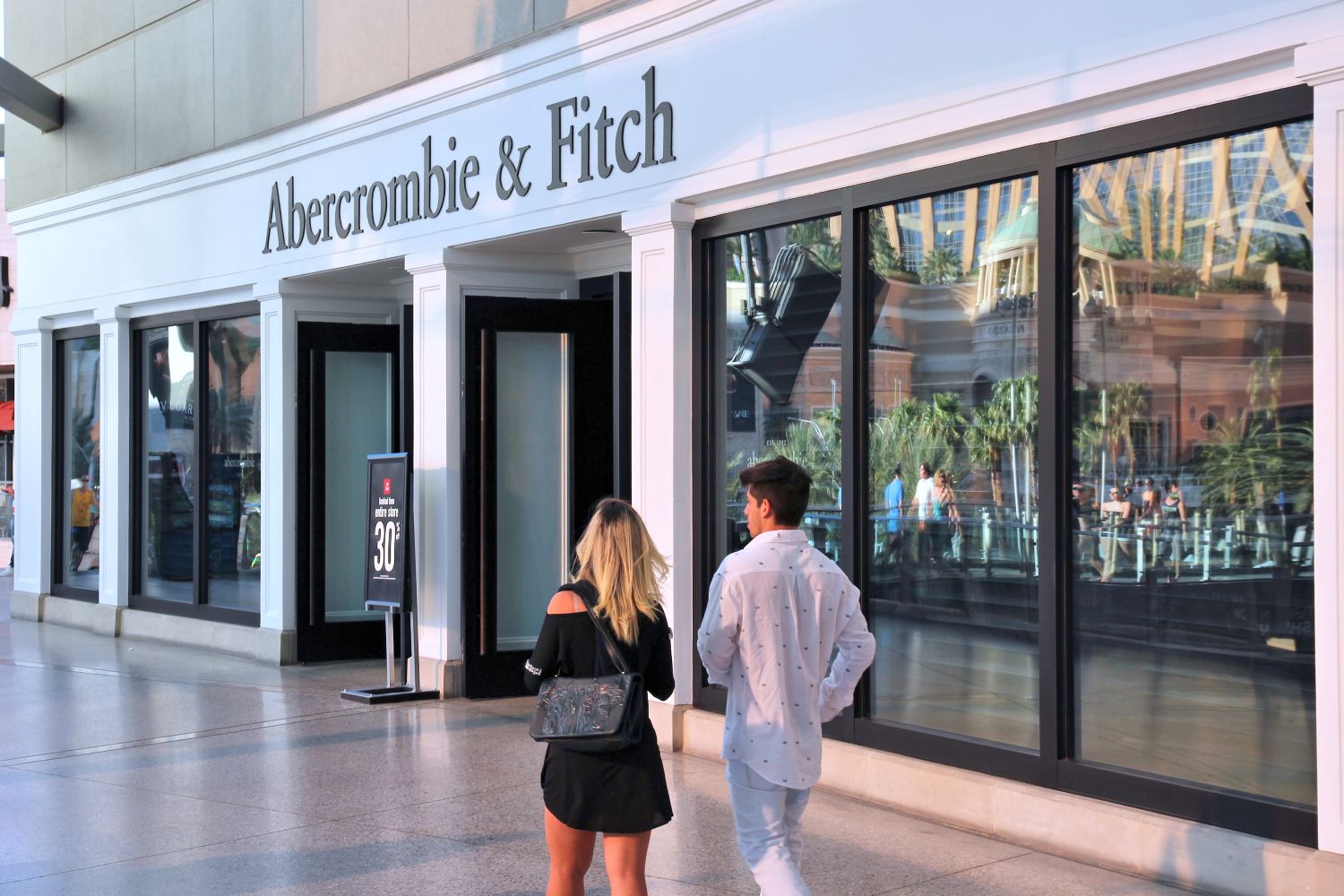
Miller: Yes. Just look at Abercrombie & Fitch. We have seen many quarters of positive results from them. But in the early 2000s, that store was super dark and super loud. The smells were overpowering. Abercrombie & Fitch has since reinvented the store experience. There is more natural light. The audio experience is much calmer. The scent experience is more neutral than it used to be. These changes are having an impact. Abercrombie & Fitch has performed strongly in the last 14 quarters.
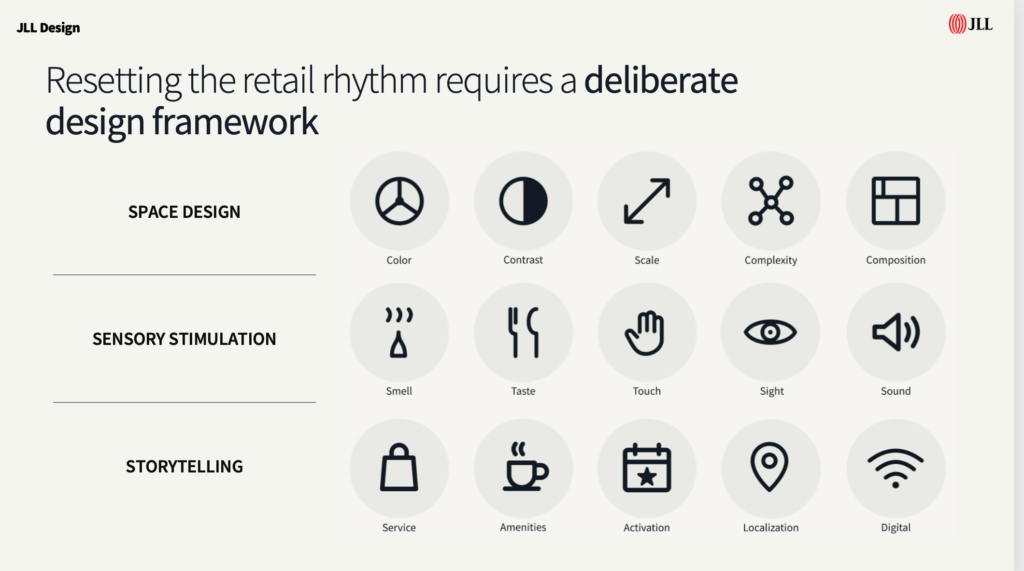
Retailers must be careful with how they communicate with shoppers in their stores. There can be so many messages in a small space. There is information on product packaging. There are QR codes. There are often screens and signs. It’s important for physical retailers to refrain from shouting so many messages to customers all at once. Scent is very important as is sound. Retailers can’t let the in-store experience become too overwhelming.
Paris Baguette, a fast-casual bakery chain, is a good example of how to do it right. It is a high-growth quick-service-retail company. They keep their pastries in cases. Consumers select their own pastries. When they open the cases, they experience the smells from these products. But the consumers are controlling the experience. It’s not until you open the case with the strawberry doughnut that you experience the scent from it. You don’t smell everything at once. The consumers are empowered to experience the pastries as they choose.
La La Land Café is another example. These coffee shops focus on the aesthetic experience. There is a focus on providing the right lighting and color washing to provide a content-worthy experience to consumers. It’s a focused and calming experience. Providing this is important: 60% of the shoppers we surveyed said that a store’s ambience influences their decision to recommend it to others, even if they don’t buy anything.
What factors persuade customers to recommend a physical store to others?
Miller: The number one feature that makes a store feel good to be in is a focus on touching and feeling the products. Consumers don’t want a screen in their way. They want to feel the products. That’s the whole reason why they got off the couch to visit a brick-and-mortar location.
Consumers also want enough space and to browse at their own pace. They don’t want to feel pressure from employees hurrying them along or pressuring them to make a purchase. But they do want knowledgeable staff to be there when they need them. They want it to be on their own terms.
Do you think this embracing of physical retail is a long-term trend?
Miller: I do. The numbers are only strengthening as we get younger through the generations. Retailers spent years thinking about how to create an omnichannel experience, where their online and physical presences work together. That is still important. But consumers are now giving retailers permission to let brick-and-mortar do what it does best. Retailers still need an omnichannel approach. But they can also amplify the strengths of physical retail. That’s the point.