Miami-based developer and investor Fortec is betting that one of the nation’s most overlooked real estate sectors, early childhood education facilities, is also one of its most needed.
The company has committed to building between 50 and 60 preschool and early education centers across the country, fueled in part by a $100 million investment fund launched in 2025 and a recent $30 million institutional investment backed by Equiturn Holdings.
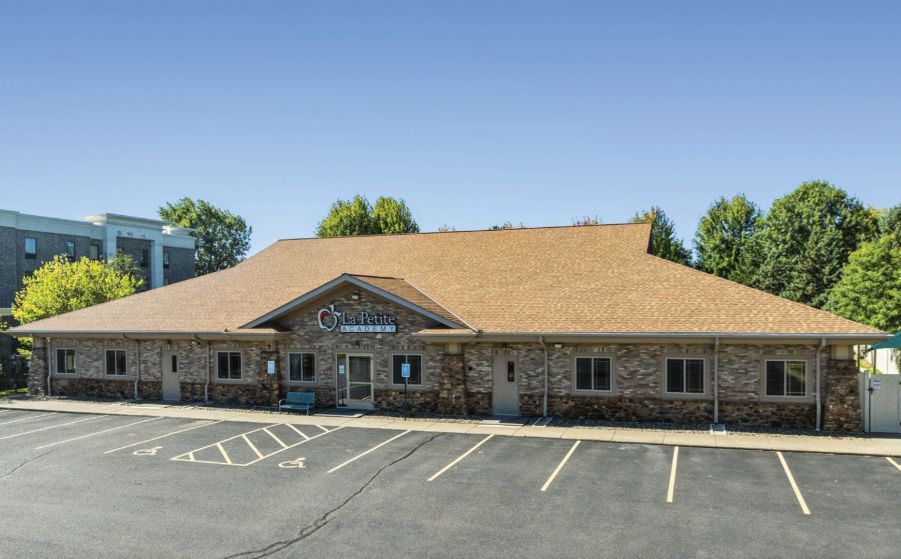
Fortec recently expanded its reach into the Midwest with the acquisition of the 7,700-square-foot La Petite Academy preschool facility at 470 Imperial Ave. N. in Oakdale, Minnesota. As part of the acquisition, the company signed a new 10-year lease with the property’s operator, Learning Care Group, one of the nation’s largest childcare providers. Fortec also committed additional capital to modernize and upgrade the facility.
For Pablo Barreiro, chairman of Fortec, the company’s focus on early childhood education facilities is about more than investment returns.
“We are trying to help solve a real problem in communities across the country,” Barreiro said. “About 46% of the United States is still considered a childcare desert. When we started in this sector, that number was even higher. There is still a big need for new schools and modern facilities.”
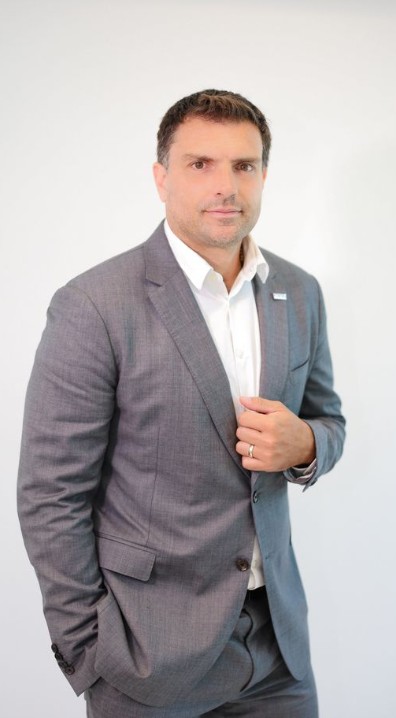
Pablo Barreiro, chairman of Fortec
A childcare desert refers to areas where the supply of licensed childcare falls far short of demand, leaving working families struggling to find affordable and accessible early education options.
Barreiro said the shortage is evident across the country, including in states such as Minnesota.
“The first thing we look at is whether the community needs this product,” he said. “If the need is there, we are open to investing there. We want to help reduce the imbalance between supply and demand.”
Fortec’s strategy is unique in a commercial real estate industry where many developers focus on more traditional asset classes such as multifamily, industrial and retail properties.
“Our main objective is to be the first institution that only invests in educational products,” Barreiro said. “We understand the community needs, so when we do projects, they are specifically designed for that community.”
An evolving sector
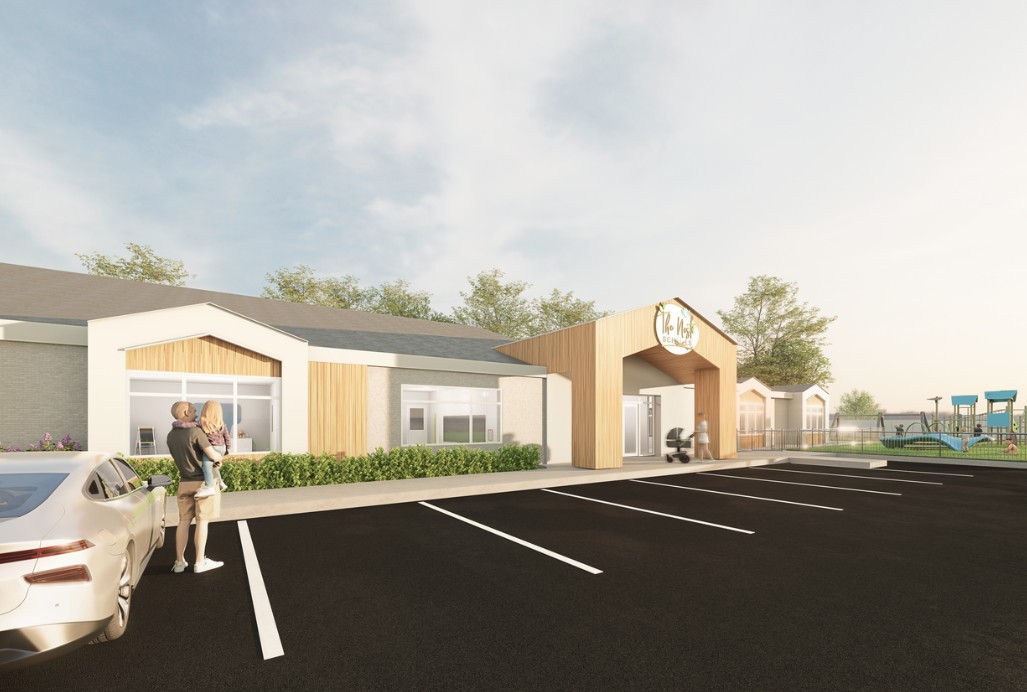
Preschool and early education centers continue to evolve. Barreiro said today’s schools boast larger classrooms, more natural light, a greater amount of outdoor learning spaces and modern technology. Safety improvements have also become increasingly important.
“There has been much more investment in playgrounds and outdoor spaces, bigger windows and more natural light,” Barreiro said. “The spaces today are more organic. Kids are not just sitting in classrooms anymore. Learning now includes music, art, outdoor activities and many different experiences.”
That evolution has also changed the design of the buildings themselves.
“The buildings have to support the curriculum,” Barreiro said. “Children use more of the building now, both inside and outside. In places like Minnesota, where winters can limit outdoor activity, schools need larger interior spaces where children can still play and learn.”
Safety features are another priority.
“There have been a lot of improvements in life safety,” Barreiro said. “Fencing, barriers near parking lots, making sure children are safe while still enjoying the building. Those are critical parts of these projects.”
An overlooked asset class
Despite the growing need, Barreiro said that many developers have overlooked the early education sector in part because projects require extensive collaboration with local communities and government officials, something that can prove challenging.
“These are community-based projects,” Barreiro said. “You are building something where children from that community will spend a large portion of their day. We work closely with local architects, city staff and council members to make sure the project fits what the community wants and needs.”
Traffic flow and drop-off safety also add layers of complexity that developers do not always face in more conventional property types.
“It is not as standardized as some other real estate sectors,” Barreiro said. “Every project is specific to that community. Some developers prefer products they can replicate the same way across the country. For us, the focus is on what each community needs.”
Fortec’s growing investment fund is designed specifically to address those needs. Barreiro said the company is currently active in 14 states and expects to expand further by the end of the year.
“All of the money is focused on early education,” he said. “The goal is to bring new schools to communities across the country.”
For Barreiro, the company’s interest in the sector began with a personal connection. About six or seven years ago, Fortec and its partners acquired a preschool property in Hollywood, Florida, a school his daughter attended.
“I knew that property very well,” he said. “At the time, we had never worked with a preschool tenant before. But the tenant was great, and once we started learning more about the industry, we realized there was a tremendous need.”
That first acquisition quickly led to more projects in Florida and eventually to a nationwide strategy centered entirely on educational facilities.
“We realized this was something where we could put our resources to work and actually help solve a problem,” Barreiro said.