Tenants looking for industrial space in the Chicago-area market? They are increasingly heading west, according to Oakbrook Terrace, Illinois-based NAI Hiffman.
In researching the Chicago industrial market, NAI Hiffman tracked a significant migration of tenants from O’Hare, Central DuPage and Northwest Cook into the I-90 Northwest corridor, where users can secure newer facilities and lower occupancy costs while maintaining access to the same labor pool and transportation infrastructure.
The evidence of this trend? Here are the numbers:
- Of the roughly 2 million square feet of new leasing activity in the I-90 Northwest submarket since Jan. 1, 2025, about 1.3 million square feet, or 65% of it, came from companies relocating from other Chicago-area submarkets.
- Tenants moving west include Claires (248,400 square feet), JFC International (255,142 square feet), Palfinger (177,270 square feet), Guardsman Global, Fromm Beauty, Sodexo and others.
- While the I-90/Northwest submarket posted 178,099 square feet of positive absorption in the first quarter of 2026, the O’Hare, Central DuPage and Northwest Cook submarkets all recorded negative absorption during the same period.
We spoke with Steve Bass and Jack Brennan, both executive vice presidents of industrial services with NAI Hiffman, about the industrial activity now taking place in the I-90 Northwest submarket. Here is what they had to say:
Can you provide a brief summary of how much of the new leasing activity in the I-90 Northwest submarket since the start of the year came from tenants that moved from another Chicago-area submarket?
Jack Brennan: Approximately 65% of the roughly 1.3 million square feet of new leasing activity in the Interstate-90 Northwest submarket since late 2025 has come from companies relocating from O’Hare, Northwest Cook and Central DuPage. That’s a high percentage, which demonstrates that the I-90 corridor is successfully competing with some of Chicago’s most established industrial markets. Companies are making deliberate relocation decisions because they see long-term operational and financial advantages here.
What are the main reasons for this migration? What is attracting tenants from other Chicago submarkets to the I-90 Northwest submarket?
Steve Bass: Companies today are looking beyond lease rates. They’re evaluating the entire operating equation, including occupancy costs, transportation efficiency, workforce accessibility, building functionality and future growth opportunities. The I-90 corridor performs well across all those categories.
Many occupiers signed leases a decade ago under very different market conditions. As those leases expire, they discover they can relocate into newer, more efficient facilities while often reducing occupancy costs by as much as 30% to 50% compared to infill markets. At the same time, improved highway infrastructure and access to a broad labor pool have made the corridor an increasingly attractive long-term operating location.
I know the “flight to quality” is still a major driver of many moves. Is that in play in the I-90 Northwest submarket? Does this submarket feature many newer properties that are attractive to tenants?
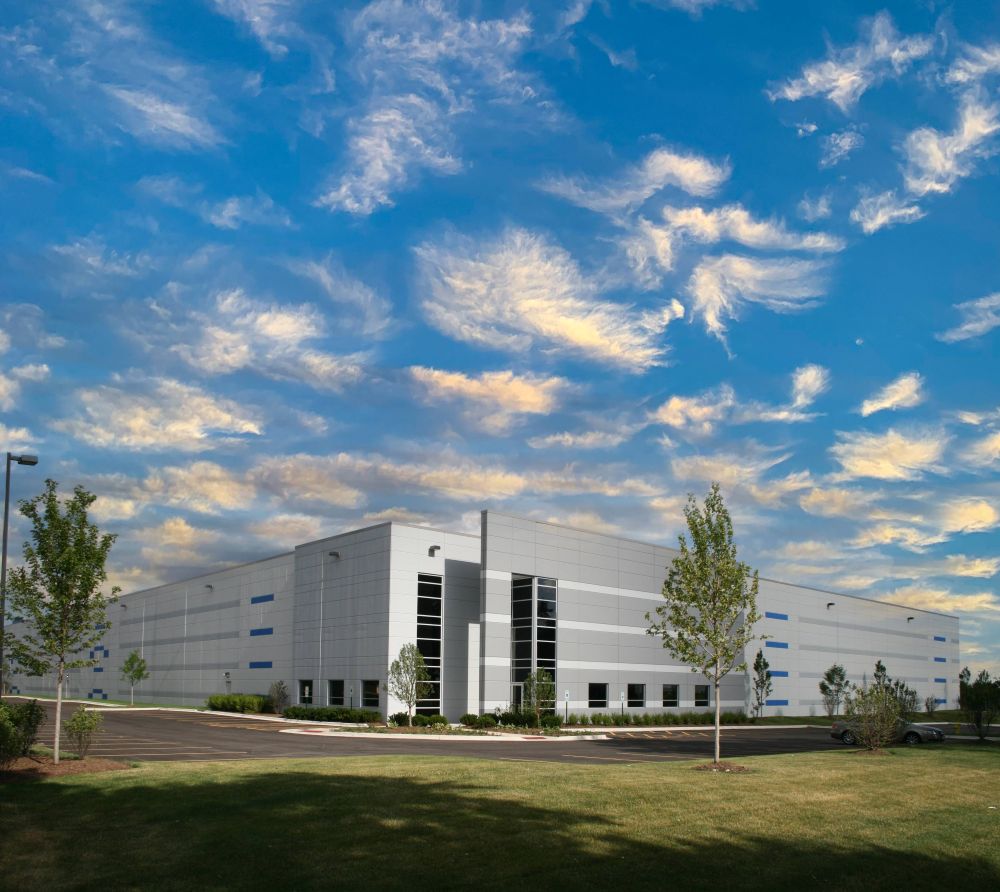
Bass: Absolutely. Companies are using lease expirations as an opportunity to upgrade their facilities, not simply renew existing space. They’re seeking modern buildings with higher clear heights, more efficient loading configurations, expanded trailer parking and layouts that better support today’s logistics and manufacturing operations.
The submarket responded by adding approximately 4 million square feet of speculative industrial space across 2023 and 2024, and all but about 400,000 square feet of that has been leased.
Looking ahead, NorthPoint Development is slated to deliver a 428,000-square-foot speculative facility in late 2026, and Phelan Development has plans for two spec buildings with a 2027 delivery. We’re also seeing growing interest in build-to-suit facilities as companies look for buildings designed around their specific operational requirements.
How does pricing play into this? Are the properties in this submarket more affordable?
Brennan: Companies are looking at their total occupancy costs and whether a building will operate more efficiently over the long term.
In many cases, companies find they can lower occupancy costs while moving into a newer facility that improves productivity and gives them additional room to grow. That’s a compelling value proposition, particularly for businesses planning years ahead rather than simply focusing on today’s lease rate.
Can you address the role that demand for new data center space is playing in the growing strength of the I-90 Northwest submarket? Is this submarket a strong one for data center users?
Bass: The I-90 corridor has certainly attracted interest from the data center industry, including high-profile projects such as Microsoft’s campus and Compass’ redevelopment of the former Sears headquarters. However, data center development faces significant challenges, including power availability, extensive infrastructure requirements and, in many communities, public opposition.
While data centers will remain part of the development conversation, industrial continues to be the dominant driver of activity throughout the corridor. Manufacturing, distribution and logistics users remain highly active, and demand for well-located industrial space continues to outpace available supply.
Do you expect this trend of companies relocating from other Chicago submarkets to the I-90 Northwest submarket to continue in the coming years? Why or why not?
Brennan: Yes. The conditions driving these relocations aren’t temporary. Companies continue to prioritize operating efficiency, modern facilities and long-term flexibility, and the I-90 corridor checks those boxes.
At the same time, redevelopment within older infill markets is reducing the supply of industrial properties available to many users, particularly small and mid-size companies. As those businesses evaluate their next move, we expect the I-90 corridor to remain one of the region’s strongest alternatives because it offers a combination of modern facilities, competitive occupancy costs and room for future growth.