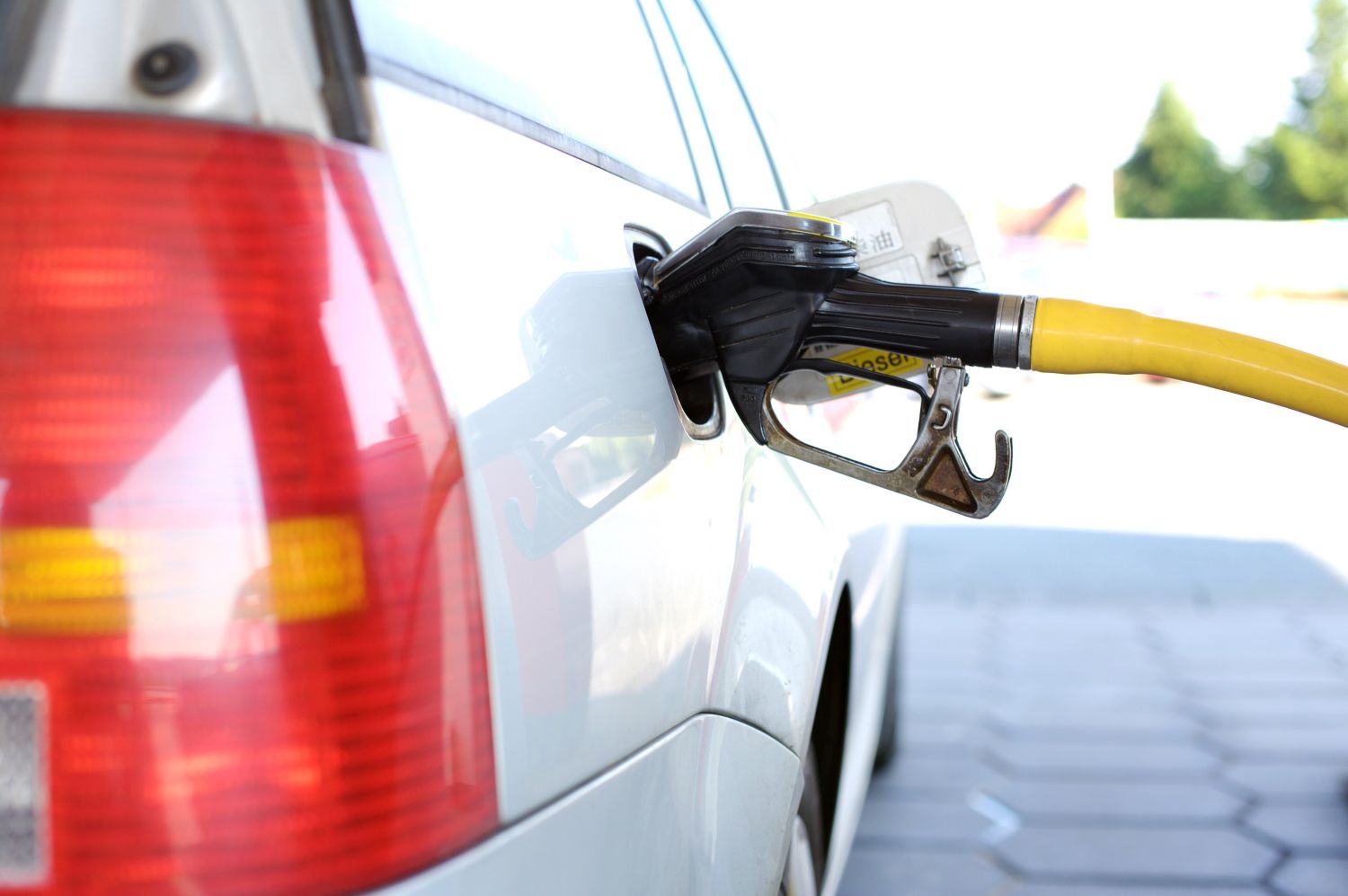
The Midwest is facing a localized surge in fuel prices due to a temporary supply squeeze. While pump prices are elevated nationwide, a convergence of refinery outages and planned maintenance across the Great Lakes has tightened regional supply. Pump prices in many Midwest markets are currently pushing well past $4.50 and into the $5.00 or more per gallon.
For QSR operators, that regional price shock matters on both sides of the business. Operators are absorbing higher costs throughout the supply chain and seeing a distinct demand decline from consumers.
“$4.00 a gallon is a psychological breaking point where consumers start cutting restaurant trips,” according to Revenue Management Solutions.
With Midwest prices now well above that threshold in many markets, the potential impact on QSR traffic becomes increasingly important. QSRs get up to 70% of their revenue from drive-thru, and pump prices directly impact a customer’s discretionary “wallet share” and their likelihood to pull into a drive-thru lane.
According to Revenue Management Solutions, just a $1 increase in gas prices can mean roughly six fewer customers per day at the average drive-thru. For a location averaging 300 daily transactions, that translates to approximately $22,000 in lost annual sales.

Trever Gallina, Matthews
The Great Lakes Refinery Crisis
The Midwest is currently experiencing a severe localized gasoline price shock. While prices nationwide are elevated due to global tensions, regional refinery maintenance issues and disruptions in the Great Lakes region have sent Midwest pump prices skyrocketing.
Over the past week, states like Michigan, Indiana, Illinois, and Wisconsin led the nation with explosive 30 to 62-cent per gallon jumps in a matter of days. Regular unleaded is pushing near $5.00+ a gallon in major metros like Detroit and Chicago.
The sudden, historic surge in Midwest fuel prices stems from a highly localized “perfect storm” involving three major refining disruptions across the Midwest.
1. The ExxonMobil Refinery Outage (Joliet, Illinois)
The plant experienced a major, rare power loss that completely took the refinery offline. The restart process was further crippled by regulatory and operational complications involving floodwaters and consecutive safety flaring issues. This single facility processes 275,000 barrels of crude per day and single-handedly injects roughly 11 million gallons of gasoline and diesel daily directly into Illinois, Indiana, Iowa, Michigan, and Wisconsin. Removing 6% of the entire Midwest’s refining capacity overnight sent local fuel replacement costs into a tailspin.
2. Seasonal Turnaround at BP Whiting (Whiting, Indiana)
The BP Whiting facility in Indiana, the absolute largest refinery in the Midwest, is simultaneously down. Due to a scheduled fall turnaround maintenance period. Refineries must periodically shut down units to clean equipment and transition from summer-blend to winter-blend fuels.
3. Planned Maintenance Turnaround at Cenovus (Lima, Ohio)
Cenovus refinery in Lima, Ohio is undergoing extensive planned maintenance as their major crude unit turnarounds began in September and are scheduled through mid-October, taking another 185,000 barrels per day of refining capacity offline.
The Great Lakes pipeline infrastructure interlocks Ohio’s production with Michigan and Indiana, this planned drawdown severely tightened regional fuel supplies at the worst possible moment, amplifying the price shocks across the entire Midwest interior.
The Triple Net Takeaway
This regional supply-chain squeeze means that Midwest QSR operators are paying localized premiums for fuel delivery costs at the same time consumers have less discretionary income available for restaurant visits. For operators already working on thin margins, sustained fuel prices can therefore affect both traffic and operating costs at the same time.
Restaurants depend on trucks to deliver food, packaging, beverages, and other supplies, making diesel and freight costs another point of exposure when energy prices rise. The average diesel price in the Midwest is currently $6.68 per gallon, a nearly 80% jump from last year.
The average cost to operate a truck reached a record $2.34 per mile in 2025 with 20% accounting for fuel, according to the American Transportation Research Institute.
For an STNL QSR operator, tracking gas prices in the Midwest is a vital proxy not only for consumer behavior, but also for the freight and delivery costs flowing through the restaurant supply chain.
Note, however, that much of the current pressure is a temporary regional infrastructure bottleneck rather than a permanent macroeconomic shift. With the Joliet refinery returning to operation and other planned maintenance coming to an end soon at BP Whiting, regional supply will stabilize, and the aggressive margin pressure on Midwest QSR operators should ease.
Trever Gallina is senior vice president of net lease retail with Matthews.