It’s safe to say Texas doesn’t have a branding problem. Companies are moving in. Industrial demand is relentless. Announcements land almost weekly. From the outside, it can look like momentum is automatic, just a function of population growth, business climate and geography. That perception exists because the people responsible for turning interest into actual deals rarely make headlines. Dane Carlson didn’t set out to spotlight them. He was just trying to stay connected.
“I started the podcast and newsletter in 2021 when everything shut down,” said Carlson. “Conferences disappeared, conversations disappeared and honestly, it got lonely. So I just started reaching out to people, hitting record and publishing what I was learning.”
What began as a way to fill a professional void has since evolved into Econ Dev Show, a podcast, newsletter and blog that now serves as a steady pulse check on the economic development industry. Carlson, who previously worked in economic development in Houston, now sits at a unique vantage point. Through weekly conversations with practitioners across the country, he’s built an informal network of insight into how deals actually get done. Across markets, the same patterns keep surfacing, including in Texas.
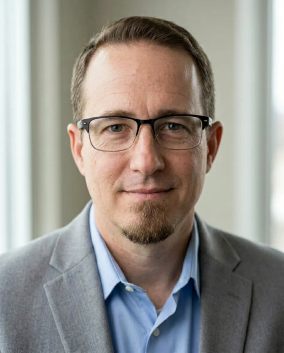
Dane Carlson, Econ Dev Show
“What surprised me most is how universal this work is,” Carlson said. “Whether it’s a town of 3,000 or a place like Bermuda, everyone is solving the same problems. The tools might look different, but the mission is the same.”
In Texas, those shared challenges are amplified by scale. The state’s size and pace of growth create both opportunity and sustained pressure for economic development teams across regions.
Economic development is not a career most people intentionally pursue.
“Nobody grows up wanting to be an economic developer,” Carlson said. “Everyone finds their way into it. But once they’re in it, they love it. They can’t imagine doing anything else.”
That unlikely entry point often turns into long-term commitment because the work extends far beyond individual deals. The results show up over time in how communities grow and change.
“Economic developers aren’t trying to get rich, they’re trying to make their communities rich,” Carlson said. “And that can mean jobs, quality of life, lower taxes … all the things that actually matter to residents.”
For developers and investors, that broader mission can be easy to miss. Most interactions happen at specific points in a deal, not during the months or years of groundwork that make those moments possible. Much of that coordination, advocacy and preparation happens out of view.
“A lot of investors and developers don’t realize there are people in every city and region whose entire job is to help them succeed,” Carlson said. “And not just help — go out of their way to make projects happen.”
Across Texas, that network is extensive. Cities, counties and regional organizations are constantly positioning themselves for new opportunities, often competing internally while contributing to broader statewide growth. Within major metros, communities may pursue the same project simultaneously, balancing local priorities with regional momentum. At a glance, that momentum can feel inevitable. In practice, it is anything but. Growth may look inevitable from the outside, but it is actively built at the local level.
“Everyone assumes growth in Texas just happens because it’s Texas,” Carlson said. “But every deal, every win, someone is working behind the scenes to make it happen.”
That work is becoming more complex as new types of demand emerge. Data centers, in particular, have introduced a new layer of urgency and uncertainty, requiring communities to assess infrastructure, power capacity and land availability in real time.
“We’re all reacting to things like data centers in real time,” Carlson said. “Nobody had a playbook for that, and now everyone’s sprinting to figure it out.”
For economic developers, responding quickly has become as important as responding accurately. Timelines have compressed. Information gaps can shift attention elsewhere. The ability to deliver clear, complete data early in the process can determine whether a site remains competitive.
Carlson saw it firsthand in his own work, particularly in the industrial sector, where responding to requests for information can shape the trajectory of a deal. Communities are often working with incomplete data, scattered records or manual processes while trying to compete against regions that can respond in hours, not days. That gap can quietly determine which sites advance and which are eliminated early.
After working through those challenges firsthand, Carlson built Sitehunt, a platform that automates industrial real estate research so economic developers can respond to site selection inquiries in minutes instead of days.. The concept is straightforward, but the stakes are high. Communities that can organize their data and respond quickly are better positioned to compete. Those that cannot risk falling behind, regardless of underlying fundamentals. For developers and investors, that responsiveness often translates into clearer decision-making and reduced friction in the early stages of a project.
Carlson’s work with Econ Dev Show has made that dynamic more visible, not by reframing the industry, but by documenting it. The conversations reveal a field defined less by individual wins and more by sustained, often unseen effort.