It’s rare that a small business survives for 25 years. But to make it 80 years? That’s the rarest of feats.
But it’s one that Des Plains, Illinois-based general contractor and real estate developer The Missner Group has accomplished.
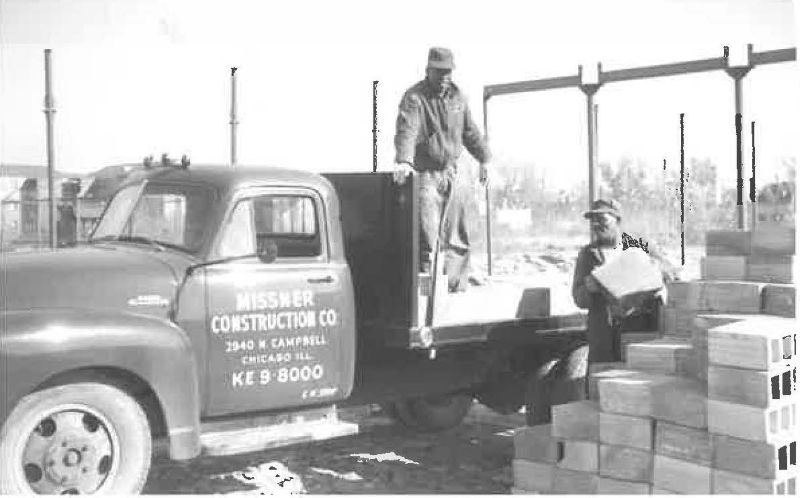
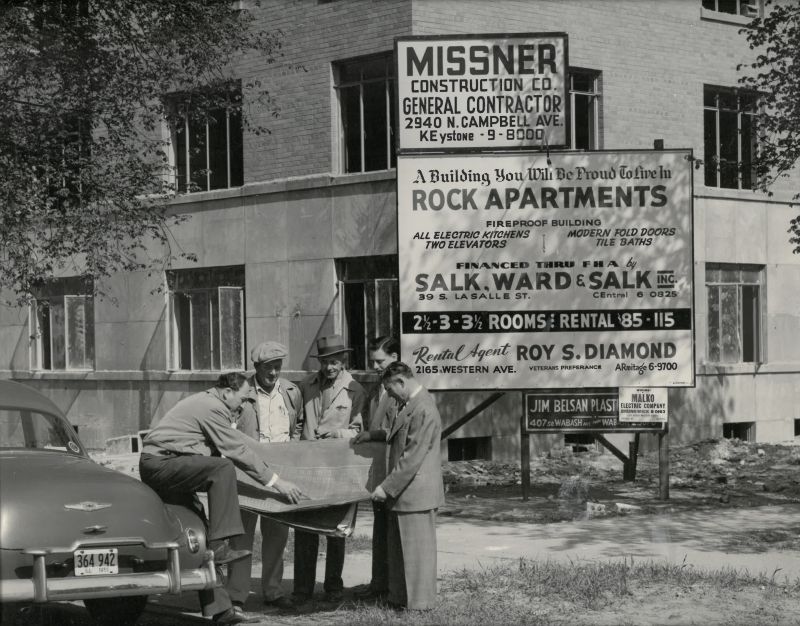
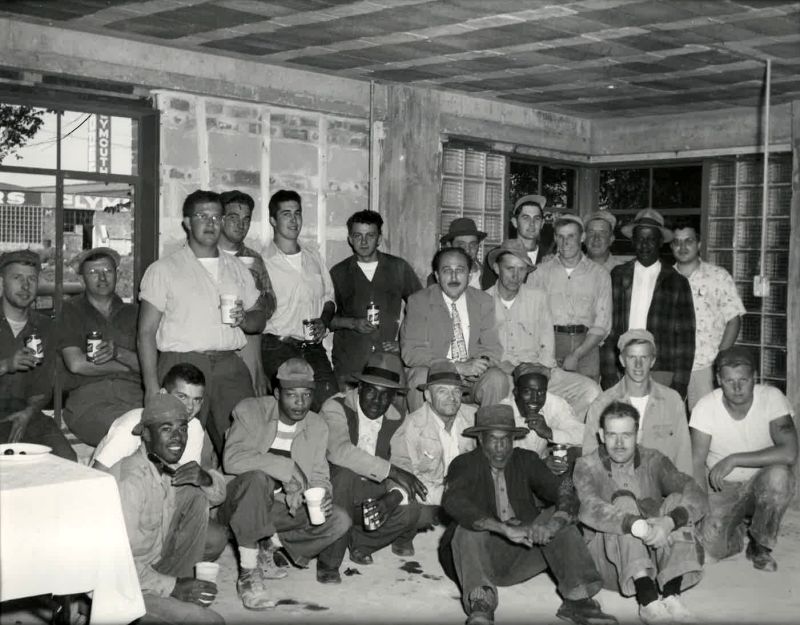
The Missner Group is celebrating its 80th anniversary this year. Irving Missner founded the company in 1945. He steered the company until 1975, when his son Judd Missner took over.
Today, Irving Missner’s grandsons, Barry Missner, chief executive officer, and Glen Missner, president, co-lead the company. The two are continuing The Missner Group’s history of success in the Chicago market. Since its founding, the company has taken on more than $3 billion in construction projects and developed more than 20 million square feet of real estate projects in the Chicago market.
We recently spoke with Barry Missner about the company’s success and its bright future. Here is some of what he had to say.

What are some of the reasons for The Missner Group’s success?
Barry Missner: I don’t have a great answer for you. There is not a magic sauce that allows a business to succeed. You always hear that the first generation starts a business, the second generation grows it and the third generation blows it. Thankfully, we’ve avoided doing that.
It’s been a slow climb for us. I can’t identify a turning point or a transformative moment where it became clear that the business was going to succeed. For us, success has been a long hike. Perseverance is the word that I might use. We are always focused on grinding and getting better at the things that we have been doing for a long time.
You could say that we had a big moment in the ‘70s. up until then, we had been a contractor. In the ‘70s, we transitioned into an integrated real estate company. From the ‘70s on, we switched from a builder to a real estate company and developer. We became a bigger, more accomplished and better version of ourself.
My father was the one who initiated that change. That moment of diversifying from construction to construction and real estate expanded our business to more areas. My father thought that we should get involved in the development business. He was able to make this move with the help of some mentors in the business who helped him on the execution side. Now we are a real estate company that develops, manages and leases real estate.
How has The Missner Group grown over the years?
Missner: Right now, we have about 24 employees. We are still a small company. When I started here in 1991, we had a staff of six. It’s been a slow build over the years. Maybe that is the secret of our success: We didn’t get too big, too fast.
What are some of the memorable projects that you and The Missner Group have worked on over the years?
Missner: There are some projects that stand out for me. One is the first development that I oversaw, in Buffalo Grove. It was maybe 13 acres and three buildings, which were all small buildings by today’s standards. But it gave me the chance to go through the full soup-to-nuts entitlement process. That was in 1995, and it was impactful for me. It was the first time I’d overseen a project. I felt like I didn’t know what I was doing. Seeing it come to completion successfully was a great feeling.
There was another project in 2003. We developed a building in Niles. It was a substantial project, costing $25 or $30 million, a big deal for that time. We had to find an institutional equity partner. That was a new kind of capitalization for us. We went beyond our comfort zone with a much bigger construction loan. It was a step up for us. It showed us the size and scope of projects that we could do.
The projects in the city are always impactful, too. They involve a lot of blood, sweat and tears. The challenges of developing on an infill lot are significant. Then you layer on the complexities of working with the city and it makes the challenges even greater. But there is a feeling of satisfaction when you complete projects like that.
What kind of impact on the Chicago market have your projects had?
Missner: We are building warehouses. They provide an economic engine for the city. These projects employ people. We are not building hospitals, of course. There are different types of property that might have a greater impact on the city and its surrounding communities. But if I showed you the sites that we’ve worked on, you’d se that we’ve left them in far better condition than they were when we arrived. There is a great deal of effort involved in cleaning up a site. Development provides jobs, tax revenue and an economic engine for the city.
On our latest project, we spent $6 million remediating environmental contamination. We cleaned up the site and developed a new building. There is no denying that this is a positive for that site.
How has The Missner Group kept a steady stream of new business coming?
Missner: The business is very competitive. You have to work constantly to keep the jobs coming. Our customers often are not repeat customers. If someone has a good experience with us, they might tell a friend that if Missner makes an offer, you should consider working with them. But to succeed, you must continue to create opportunities. We aren’t selling widgets where if the price is right and customers like us, we’ll continue to get business. We must constantly find new customers.
We rely on our reputation. We do what we say we are going to do. I have 30-plus years of relationships with brokers that I rely on to get a seat at the table. We have an established history. We get credibility from clients for going through the process so many times.
What changes have you seen in the local commercial real estate business during your time at The Missner Group?
Missner: The city was much sleepier as a real estate market early in my career. There weren’t a lot of companies developing warehouse projects. Development and real estate investment have become more competitive and more complicated, especially development. You must deal with more requirements. It is more costly and time-consuming.
When I worked on that first entitlement deal in Buffalo Grove, we had to get a zoning change, extend a right-of-way and annex property from Lake County. It wasn’t overwhelming. It probably took about three months. It wasn’t free, but it wasn’t a huge cost. That has completely changed. That process might be six to 12 months now. And the cost is much higher.
The risks we take are higher today. When you spend all that money and do all that work, there is still no guarantee that it works out in the end. The timeline is longer and the market changes. The village you are working with might ask for concessions that make the project no longer economically feasible. The biggest changes are the time and risk and money that development requires today versus 25 years ago.
The risk comes from the uncertainty and the upfront costs. It’s not guaranteed that you’ll get the zoning you need, for example. The economic risk falls on the developer. The developer takes on the risk in pursuing the development.
How do you reduce this risk?
Missner: We look at every potential project very closely. You don’t know how the market might look in six months when you finally break ground on a project that you start working on now. If you want to develop something, you have to make the decision now, even though you can’t be certain of what the market will look like in six months. You must do your research and manage the risk as best you can. It is very difficult. Anyone who tells you that they never lose money in this business is not doing a lot of real estate deals.
How strong is the local industrial market now?
Missner: We develop shallower-bay projects, infill locations that are more immune to the softening we’ve been seeing in industrial leasing activity. Throughout the first half of 2025, there has been slower leasing activity in all phases of the industrial sector, but activity is softer with the bigger buildings. We have also seen less negative impact on rent growth with infill developments. Even though we had been seeing slower leasing, we were still seeing rent growth in those infill markets.
Leasing activity is starting to pick up. We are optimistic that if leasing continues to pick up, the market will be strong because rents haven’t fallen significantly.
Are there projects that The Missner Group is working on now that you are especially excited about?
Missner: We have broken ground on our industrial project at 4002 S. Princeton in the Stockyards area of Chicago. Construction is about 40% complete. That project required a great deal of predevelopment work, two-plus years of that. We also have some other projects that are earlier in the pipeline. It is too early to discuss those projects, but we are seeing more opportunities in the market today.
The capital is coming back into the market. It is getting better. We think we will be converting more ideas into actual projects.