Chicago’s property managers are juggling more than tenant calls and rent checks these days. Rising expenses, volatile taxes, tight lending conditions and a flood of new tech tools have reshaped the job into something closer to air traffic control.
The fundamentals — keeping buildings full and tenants happy — haven’t changed, but how managers get there is shifting fast. For some firms, that means doubling down on proven strengths. Others are expanding into new asset classes or geographies. Either way, the balancing act between efficiency and personal touch has never been trickier.
Roger Daniel, founder and president of Daniel Management Group, says Chicago’s multifamily market continues to outpace expectations, even as operations grow more complex.
“It’s not for the faint of heart,” Daniel said. “Property management in Chicago comes with unpredictable taxes, politicized interest rates and plenty of regulatory gotcha moments.”
Multifamily remains the workhorse of his portfolio. He credits both steady renter demand and Chicago’s surprising rent growth compared with peer cities.
“The multifamily asset class has been on an incredible run; If it were baseball, we’d be in inning 15 and still going strong,” Daniel said. “Chicago has had the highest year-over-year rent growth of any city in the country. I can’t remember the last time that was the case.”
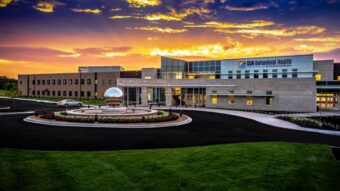
At Xroads Advisors, Chief Operating Officer Suzanne Hendrick oversees medical office, general office, retail and flex industrial properties, most of them outside the city’s core.
“Honestly, they are all performing well, including leasing activity,” Hendrick said. “Which isn’t to say that owners aren’t being careful planning capital expenditures, but assets that aren’t over-leveraged are cash flowing.”
Medical office has been the star of that mix.
“I believe that’s due to a growing population of aging people who need out-patient services as well as a greater demand for mental health services across all age groups,” Hendrick said. “I’d add that flex industrial or retail that can accommodate wellness/fitness tenants would be a close second.”
Daniel’s firm has leaned into building community through amenities like rooftop decks and green spaces, but he believes their value comes when they’re activated.
“It’s not just about building a rooftop deck or green space, but activating it with fitness classes and events that create real community,” he said, adding, “Resident satisfaction really comes down to good old customer service — responding to requests, answering questions and making people feel comfortable.”
Hendrick agrees on the importance of personal service, even as technology transforms operations.
“AI capabilities included in software such as Lease Abstraction, Property Management software platforms and Accounting software is creating greater efficiencies for property management professionals,” she said, noting that she sees these tools as time savers, not replacements. “I’m mindful that it doesn’t take away from our ‘personal touch’, hands-on oversight and relationship building but it does take away the time spent on repetitive and mundane tasks.”
The rapid evolution of technology can be difficult to keep up with, Hendrick admits, noting the abundance of new and enhanced software packages and smart devices that can be deployed.
“All these changes can be a time drain when deciding which tool is the right one to implement and subsequently the training of employees, vendors, tenants to utilize them — not to mention the time spent on the integration of the systems,” Hendrick said. “It all takes much longer than originally expected!”
For Daniel, technology is also about protection. Fraud prevention has become a growing issue, and his team has invested in AI tools that scan IDs and bank statements to flag problems early.
“It only takes a couple of bad actors to create big problems,” he said.
Automation has further reduced repetitive work, freeing staff to focus on strategy — a shift he argues boosts both efficiency and morale.
Both executives point to data as another double-edged sword. Done right, it helps owners make fast, informed decisions. Handled poorly, it overwhelms.
“Looking at the right data is critical, but just as important is presenting it well,” Daniel said. “We use concise dashboards and narratives instead of dumping raw reports on owners.”
“There is a vast amount of data available to the point where it can delay decision making,” Hendrick said. “Our job as property managers is to summarize the data, give owners accessibility to dashboards and other analytical tools that support decision making to guide and simplify their critical decisions.”
The road forward isn’t all smooth. For Daniel, rising costs and tight supply mean growth depends less on new development and more on capturing market share. Hendrick points to economic uncertainty — “tariffs, inflation, increased vacancies and asset obsolesce” — as another hurdle. And then there are the capital markets.
“It’s no secret that this post-Covid era has led to tightened lending options, which puts stress on owners and has led to loans defaulting or going to special servicing and properties being under more scrutiny,” Hendrick said. “While there are signs the capital markets are opening up for some asset classes, a lot of the properties are in distress right now. All of that has to work its way through the system (foreclosure, bought and adaptive re-use or some other plan to be executed) and then the next real estate cycle will begin!”
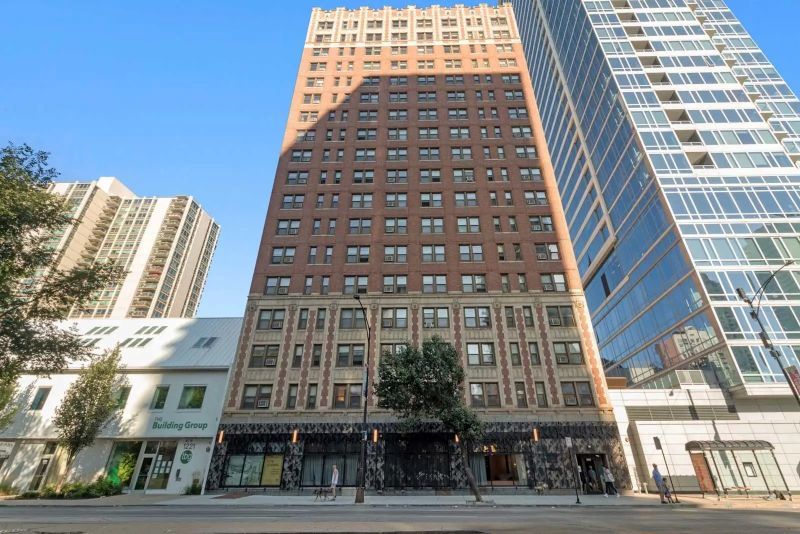
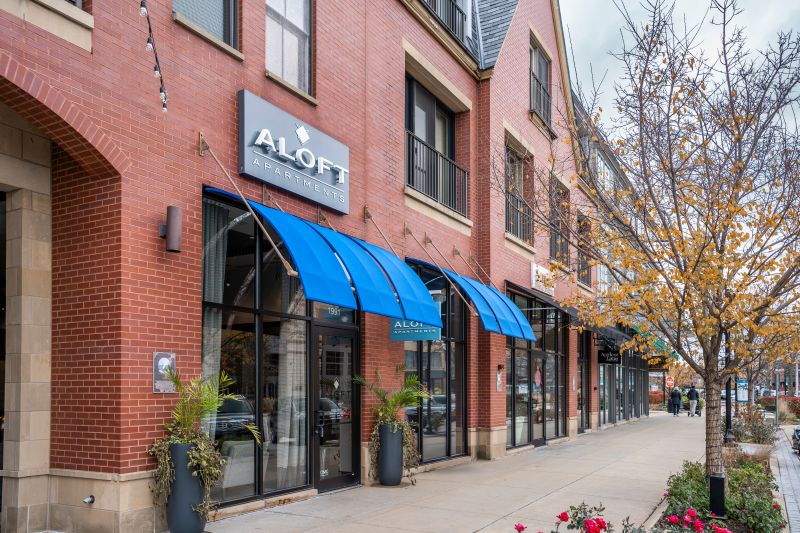
Even in a market that can feel more obstacle course than smooth path, both leaders stress that opportunity remains. Daniel points to projects like Aloft in Glenview, The Archer in Chicago’s Gold Coast and Novu in Niles as examples of successful repositioning. His firm has also started expanding outside the region with new assignments in Dallas.
“In my 35 years in commercial real estate, these past five years have been the most challenging of times; however, it can also be a time of great opportunity,” Hendrick said. “We all need to think outside the box and be tenacious in our pursuit of the highest and best use of the assets we lease and manage.”
If one lesson stands out from today’s property management environment, it’s that resilience alone isn’t enough. Chicago firms are learning that adaptability — marrying tech efficiency with hands-on service — is the real key to staying competitive. For Daniel and Hendrick, success comes down to this: keep tenants and owners confident, no matter how volatile the market becomes.