Demand from renters is still far outpacing the supply of multifamily units in the Twin Cities and its suburbs, according to brokers working in this sector.
There are plenty of reasons for this. It’s difficult to buy a single-family home today, with the average price of a for-sale home now above $400,000 and mortgage interest rates still averaging more than 6.4% for a 30-year, fixed-rate mortgage.
These financial challenges have turned many potential homebuyers into renters.
And the CRE professionals in Minneapolis-St. Paul and its suburbs say that the demand-supply imbalance for apartment units isn’t about to slow anytime soon, especially considering that high construction costs and interest rates have slowed the development of new multifamily properties in the region.
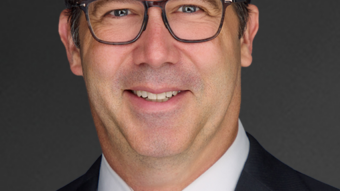
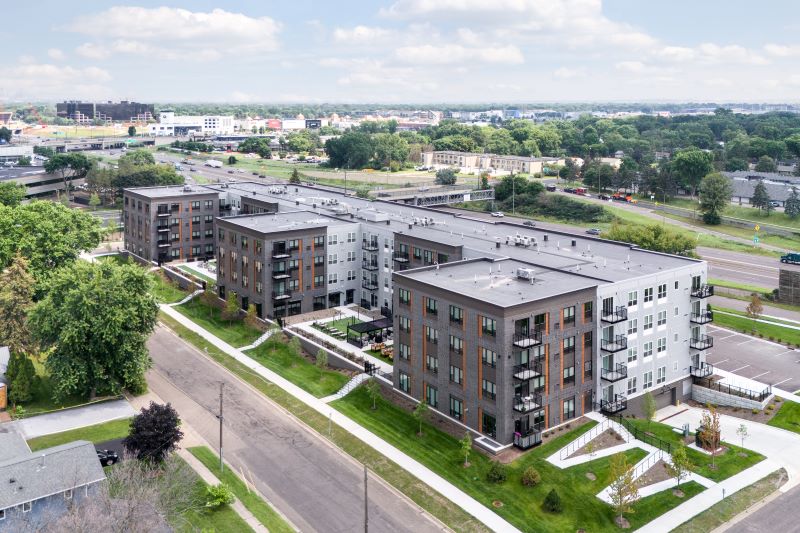
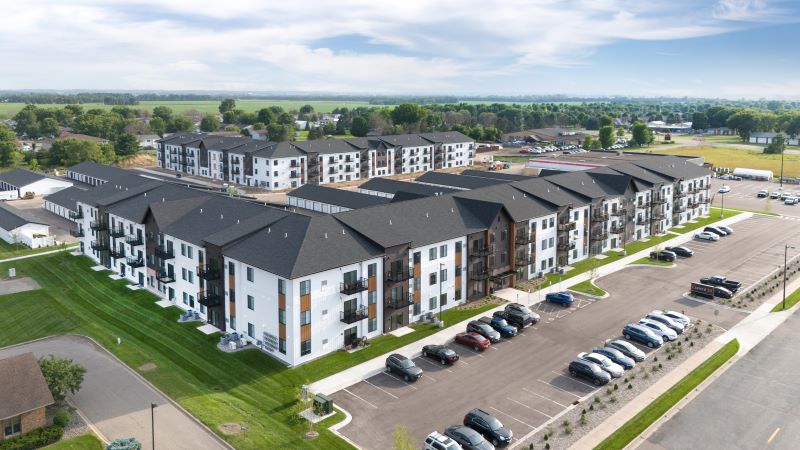
Josh Wilcox, president of development, finance and investments with St. Louis Park, Minnesota-based Enclave, says that his company, an investment firm with in-house development, construction and management services, focuses on the second- and third-ring suburbs of the Twin Cities.
And multifamily leasing activity here? It’s strong.
“In the suburbs, we are still seeing healthy demand for all the projects that we are delivering now,” Wilcox said. “There is a slight uptick in some incentives that might be required to keep up the leasing velocity. That is driven by all the new supply that was delivered during the last six months. But there is still healthy demand and leasing velocity. Our market is very healthy in the grand scheme of the national picture and other markets.”
Wilcox said that Enclave is so confident in the Minneapolis-St. Paul multifamily market that it continues to develop apartment projects, despite the higher interest rates and construction costs.
“If you had told me a year ago that we’d still be seeing the demand for apartment space that we are seeing now despite the influx of new product that we’ve seen, I don’t know that I would have believed it,” Wilcox said. “It’s a testament to the strength of the suburban multifamily market.”
Enclave is scheduled to begin four new multifamily projects this year in the Twin Cities market, Wilcox said.
“There aren’t as many projects starting now as there were 36 months or 24 months ago,” Wilcox said. “Because of that, we feel good about starting projects now that will deliver in two or three years. We expect to see good lease-up velocity in those projects because there will still be significant growth in the demand side of the equation even though there won’t be as much product hitting the market. That bodes well for our projects. “
Why is the demand for multifamily space so high in the Twin Cities market? Wilcox points to the area’s growing population. At the same time, it’s become more expensive to buy a single-family home.
And even those who can afford to buy a single-family home are struggling to move from apartment units. That’s because the supply of single-family homes for sale remains low. Many existing homeowners aren’t selling because they don’t want to trade their existing mortgages with interest rates in the 3% range for a new loan with a rate closer to 6.5%. Because construction costs remain high, homebuilders aren’t building as many new residences.
These factors have led to a healthy absorption rate in the multifamily sector despite the new product that has been delivered, Wilcox said.
“Then there is a general societal shift of people staying in apartments longer, choosing to rent because they want the flexibility and the amenities,” Wilcox said. “They are staying as renters longer before they settle down. That is playing a role, too.”
Those amenities are becoming ever more important for renters, Wilcox said. He said that he and the rest of the executives at Enclave spend a lot of time thinking about the amenities they need to add to developments to attract a steady stream of renters.
Enclave’s multifamily properties always include fitness centers. They usually feature dog-washing stations and outdoor dog runs. Some of the company’s newer multifamily properties come with golf simulators, a trend that Wilcox said has gained momentum during the last two years. Saunas are also a popular item for renters.
One new trend that Enclave hasn’t yet embraced? The addition of pickleball courts. Wilcox said that there are already plenty of spaces for fans to play the sport throughout the Twin Cities region. Secondly, residents often complain about the noise coming from these courts.
Wilcox said that Enclave will continue to focus its development efforts on the second- and third-ring suburbs of Minneapolis-St. Paul. As Wilcox said, the demand for multifamily housing remains strong in these communities.
Enclave will soon start new apartment projects in Bloomington, Edina, Shoreview, Rosemount and Plymouth, Wilcox said. The new product in Rosemount and Maple Grove will be rental townhomes, which Wilcox said are becoming increasingly popular among renters who prefer the feeling of a single-family residence.
“We like that there is a lot of good retail that is accessible and nearby for our residents in these communities,” Wilcox said. “We like that it is generally easy to access transportation, thoroughfares, interstates and highways from these locations. It’s easy to get around to the different parts of the metro.”
Since the COVID pandemic, there has also been an increase in the number of renters who want more space, Wilcox said. This is especially true for people who are now working from home at least part of the week. By developing in the suburbs, Enclave can offer these renters the extra space that they desire.
While demand for apartment units remains strong, Enclave and other developers still face challenges when it comes to bringing new product to the market. Topping the list? Higher building costs.
“Developing has gotten more challenging with increased construction costs and higher interest rates,” Wilcox said. “We are fortunate that we can handle construction in-house. We are our own general contractor. That gives us more control over our costs. We also have great relationships with subcontractors, good long-term partnerships that allow us to identify cost savings and ways to deliver a project efficiently. That helps us deliver projects to the market at a reasonable cost.”
Elevate’s strong relationships extend to its financing partners, Wilcox said. That is a key when it comes to fighting back against today’s higher interest rates.
“While rates are higher than they used to be, we still hear that we are getting very competitive interest rates compared to the market overall,” Wilcox said. “I feel like the combination of in-house construction, great subcontractors and great lending partners have allowed us to continue to deliver great projects and meet our investment requirements. It’s challenging today, but we are still succeeding.”