Retail sales continued to show resilience in April, driven by shoppers happy to spend their tax refunds, seasonal purchases and consumers’ ongoing search for value, according to Colliers’ April U.S. Retail Monthly Foot Traffic & Sales Analysis report released in mid-May.
The report found that overall retail sales rose 4.6% this April when compared to the same month a year ago, while foot traffic increased 2.6%. Colliers said that this is a sign that shoppers are still visiting brick-and-mortar stores despite concerns about inflation and broader economic uncertainty.
At the same time, Colliers noted that the retail landscape is becoming increasingly selective. Consumers are still spending, but they are paying closer attention to what they buy.
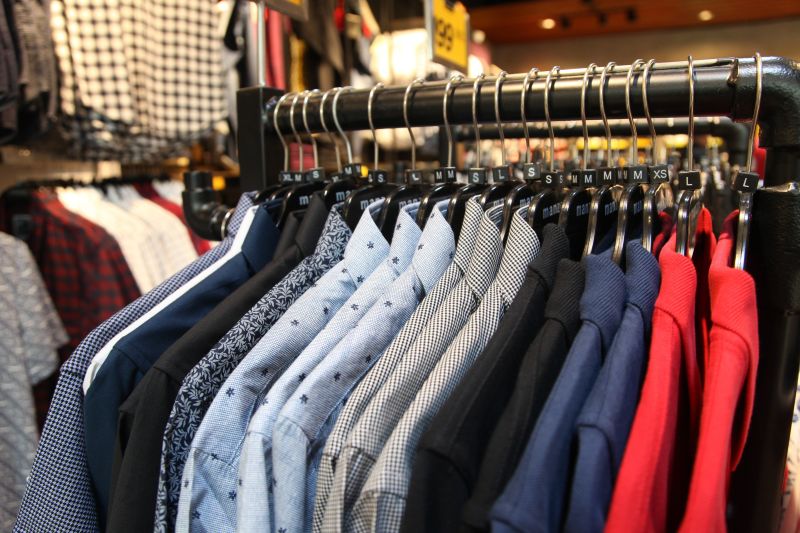
One bright spot was discretionary spending. Apparel sales remained strong for a second consecutive month as shoppers updated wardrobes and purchased higher-end accessories. Electronics retailers also enjoyed a boost, with sales jumping 9.1% year-over-year. According to Colliers, many consumers used tax refund dollars to purchase new technology and electronics products.
The increased spending translated into more store visits, too. Foot traffic at clothing stores rose nearly 4%, while electronics retailers posted a 2.5% increase in visits.
Value-oriented retailers also continued to benefit from changing consumer habits. As households remain conscious of rising costs, discount stores, dollar stores and off-price retailers attracted a growing number of shoppers.
Colliers reported that visits to discount and dollar stores increased 7.7% in April, while grocery store traffic rose 1.1%. Several value-focused chains posted strong gains, including Five Below, Ross Dress for Less, Citi Trends and Goodwill.
Colliers reported that while consumers are still willing to spend, they are increasingly focused on finding bargains and stretching their budgets.
Not all retailers, though, are thriving today, according to Colliers’ report. Housing-related retail segments continued to struggle, partly because of residential real estate market that remains sluggish. Furniture sales fell 3.4% in April compared to the same month last year, while visits to furniture stores declined slightly. Elevated financing costs and a softer housing market continue to slow the demand for big-ticket home purchases.
Home-improvement retailers saw somewhat better results, with foot traffic increasing 2.8%. Colliers noted, though, that consumers appear to be focusing primarily on spending on necessary repairs and smaller projects rather than busting their budgets to tackle major renovations.
Meanwhile, experiential retail categories showed signs of cooling after several months of strong performance. Visits to theaters and music venues dropped 16.8% in April, while attendance at attractions declined nearly 12%.